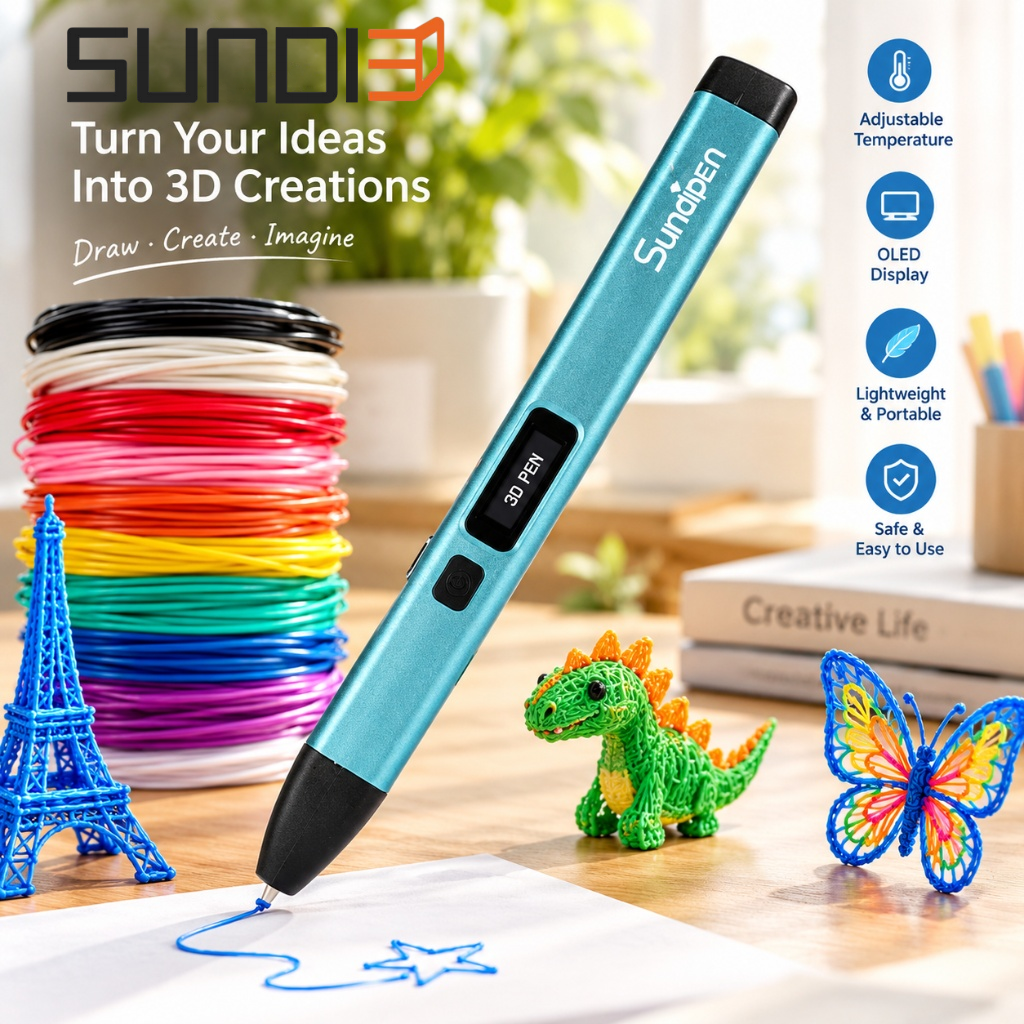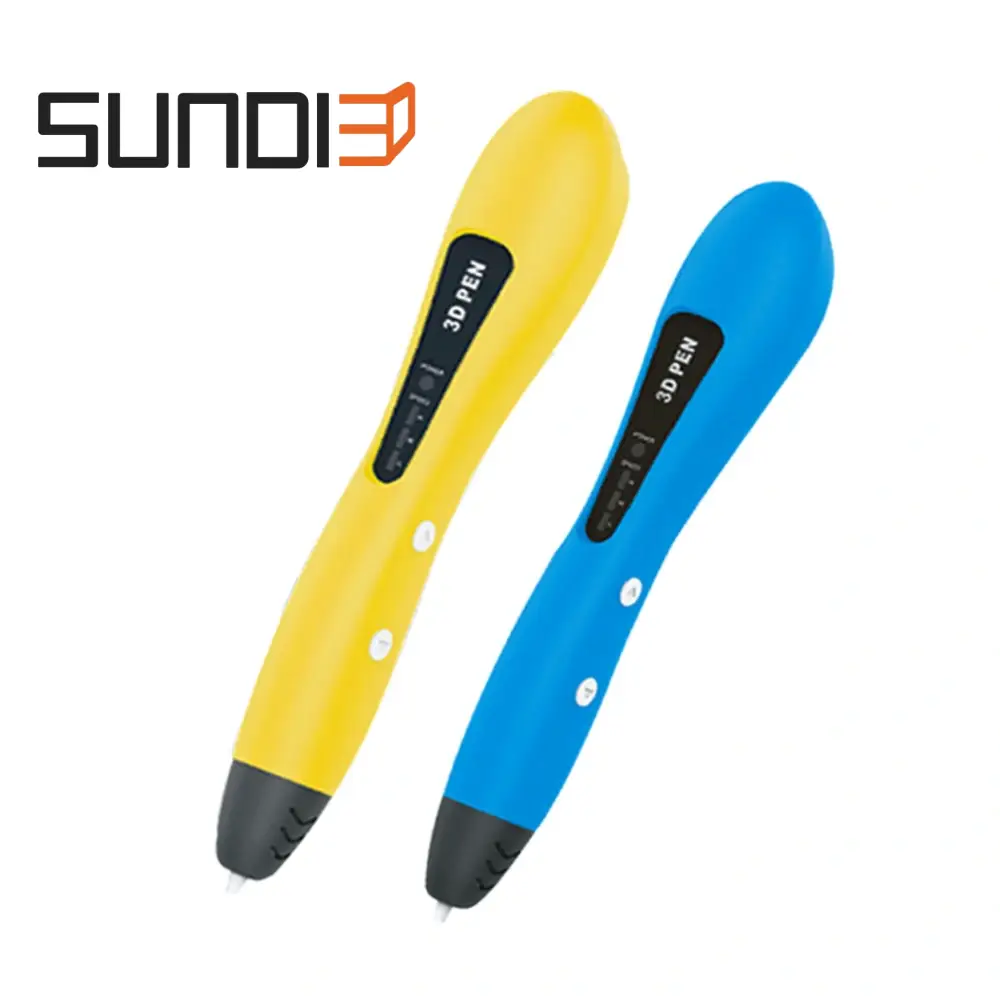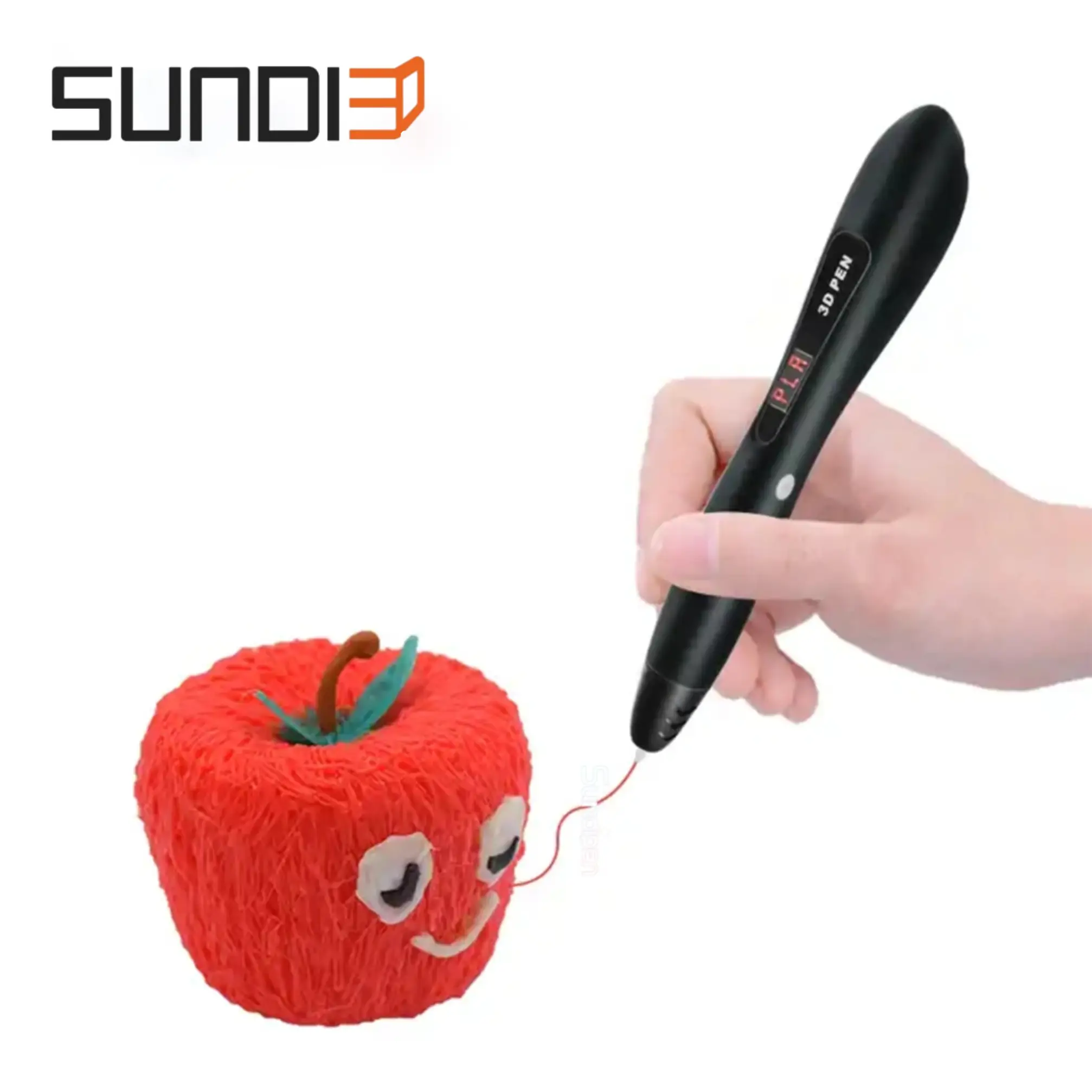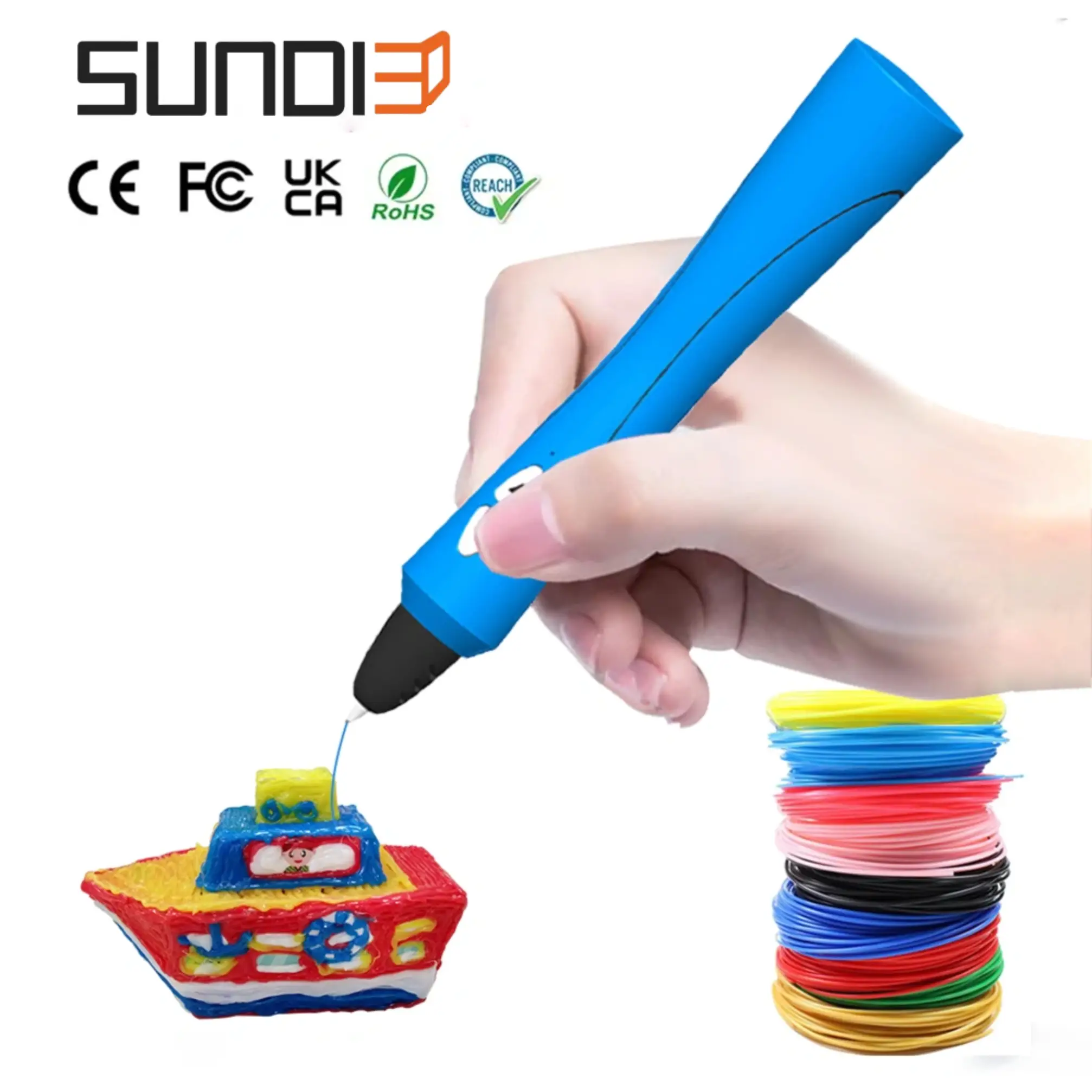


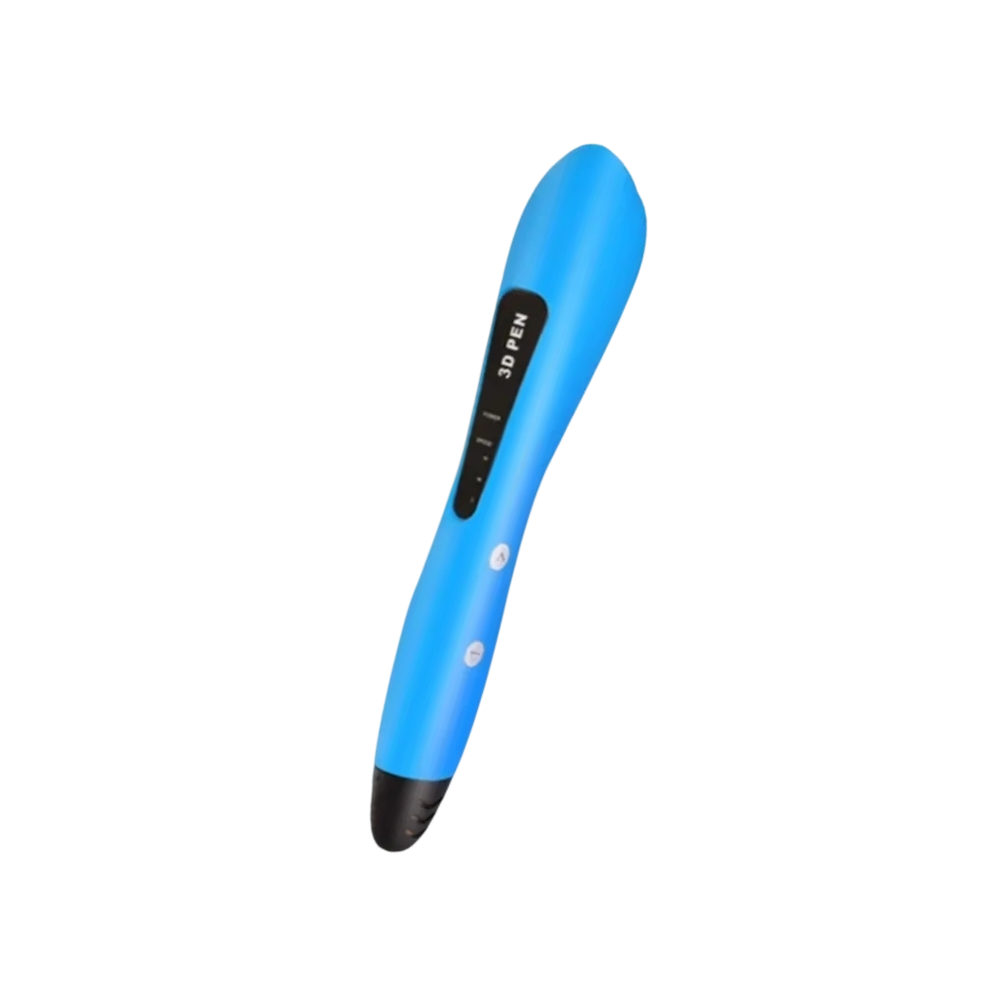
Choosing a 3D pen is easier when you start with three questions: Who’s using it? Are they a beginner? What do they want to make? Here’s how to find the right fit without getting lost in technical specifications.
Find Your Match in 30 Seconds
| Who is it for? | Recommended pen | Why it fits |
|---|---|---|
| Ages 5–9* | Low-temperature PCL, simple controls | Lower-heat operation and approachable projects, ideal for making basic shapes with an adult. |
| Ages 10–15 or first-time makers | Low-temperature PCL, ideally adjustable speed | Easy to practice, follow templates, and turn sketches into 3D creations. |
| Older teens and adults | PCL for creative sketches; PLA for firmer models | Pick the material that suits the project, not just the user’s age. |
| Experienced artists and model makers | High-temperature PLA pen with speed and temperature control | Better suited to rigid builds, precise lines, and detailed projects. |
For younger children, use a pen only if its manufacturer’s age rating permits it, and always supervise. These age ranges are shopping guidance, not product safety ratings.
PCL or PLA? The Key Difference
PCL: The beginner-friendly choice.
PCL softens at about 60°C (140°F) and is used with compatible low-temperature pens. Its flexible results work well for simple crafts, decorations, and learning to draw in 3D.
PLA: For more structured designs.
PLA pens operate at much higher temperatures, commonly around 160–210°C (320–410°F), depending on the model. Their firmer output suits older or more experienced makers who want detailed, structured projects.
Safety note: Low-temperature doesn’t mean burn-free. Keep hands away from the nozzle and freshly extruded material, use a ventilated space, and follow the product’s age guidance. For more details, read Are 3D Printing Pens Safe for Kids?.
What About Corded vs. Cordless?
- Cordless / rechargeable: More freedom to move, but check battery life and weight.
- Corded: A practical choice for longer drawing sessions at a desk.
- Simple or slower feed: A comfortable starting point for beginners.
- Adjustable speed / temperature: Helpful for users who want more control as their projects become detailed.
Check These Before Buying
- Age rating: Is the pen approved for the user’s age?
- Filament type: PCL and PLA are not automatically interchangeable.
- Comfort: Are the grip, weight, and controls easy to manage?
- Kit contents: What filament, templates, and charging or power accessories are included?
Bottom line: For a child’s first pen, look for an age-appropriate low-temperature PCL model. For older makers working on rigid, detailed pieces, consider PLA. Choose by experience, comfort, and project type—not age alone.
Choose Your Creative Spark.