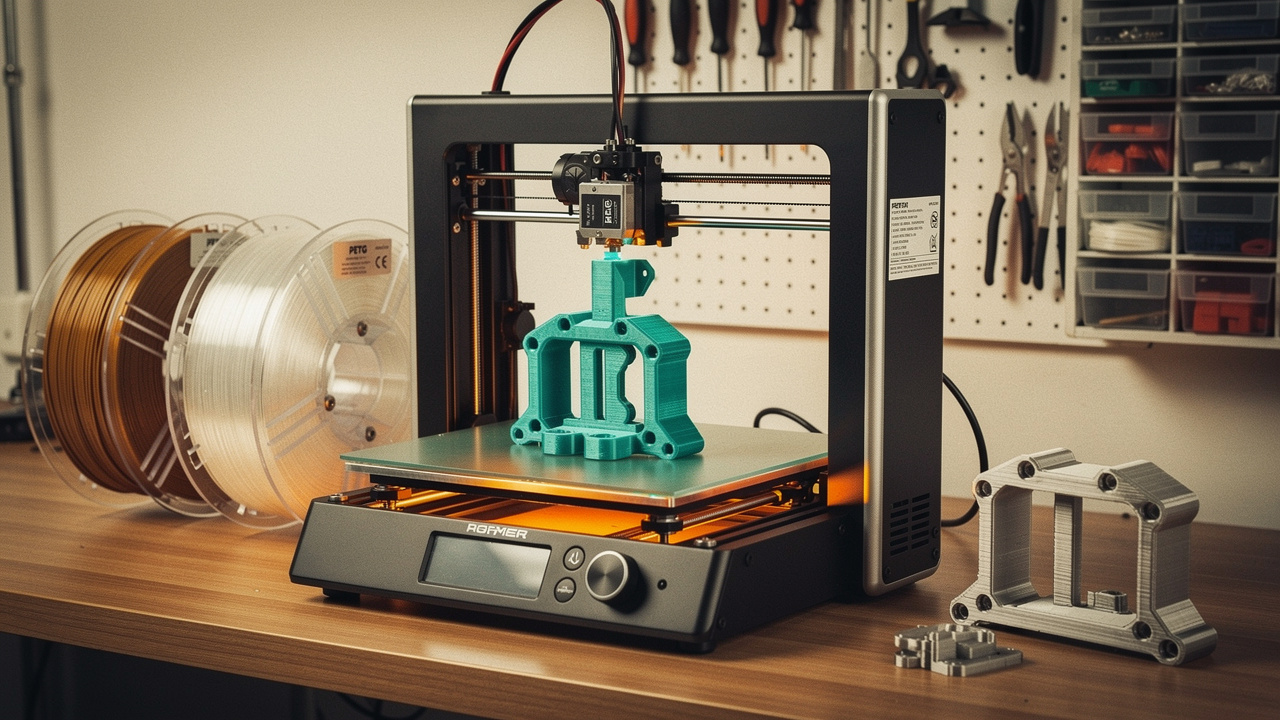
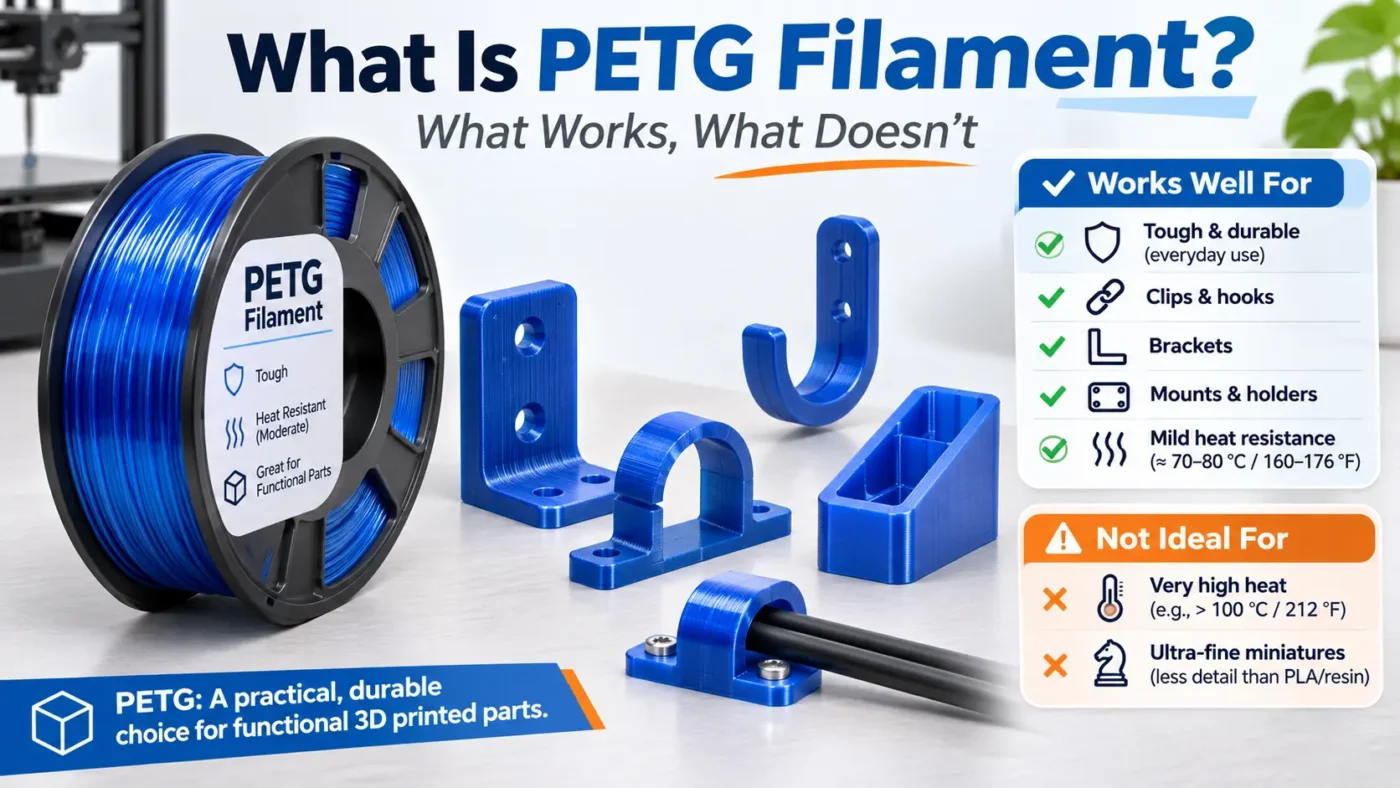
PETG filament is a polyester filament for FDM 3D printers — tougher and more heat-resistant than PLA filament, easier to print than ABS filament. Its full name is polyethylene terephthalate glycol-modified: the “glycol-modified” part is what stops the material from crystallizing, so it prints at moderate temperatures instead of needing industrial equipment. If you want […]
Category Archives: Filament Knowledge
The short version PLA is the easiest filament to start with. It prints at 190–220 °C, warps far less than ABS, and usually costs less per spool than the alternatives. It also softens around 60 °C, absorbs moisture from the air, and still releases ultrafine particles while it prints. This page tells you which of […]
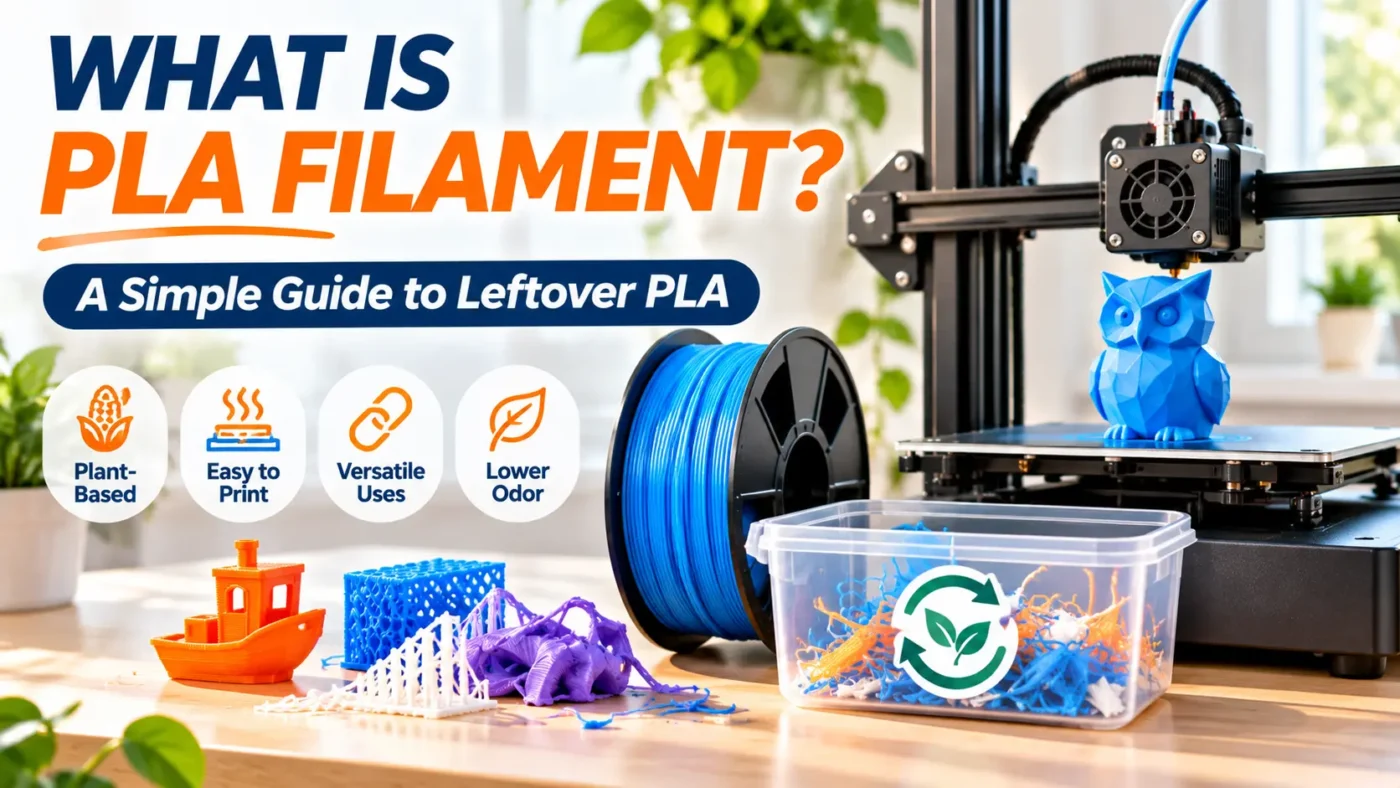
The short answer PLA is a plastic made from plants — usually corn or sugar cane. It is the plastic in most 3D printing filament, and it is a better choice than ordinary plastic. But “plant-based” does not mean it disappears: it needs an industrial facility to break down, so keep it out of your […]
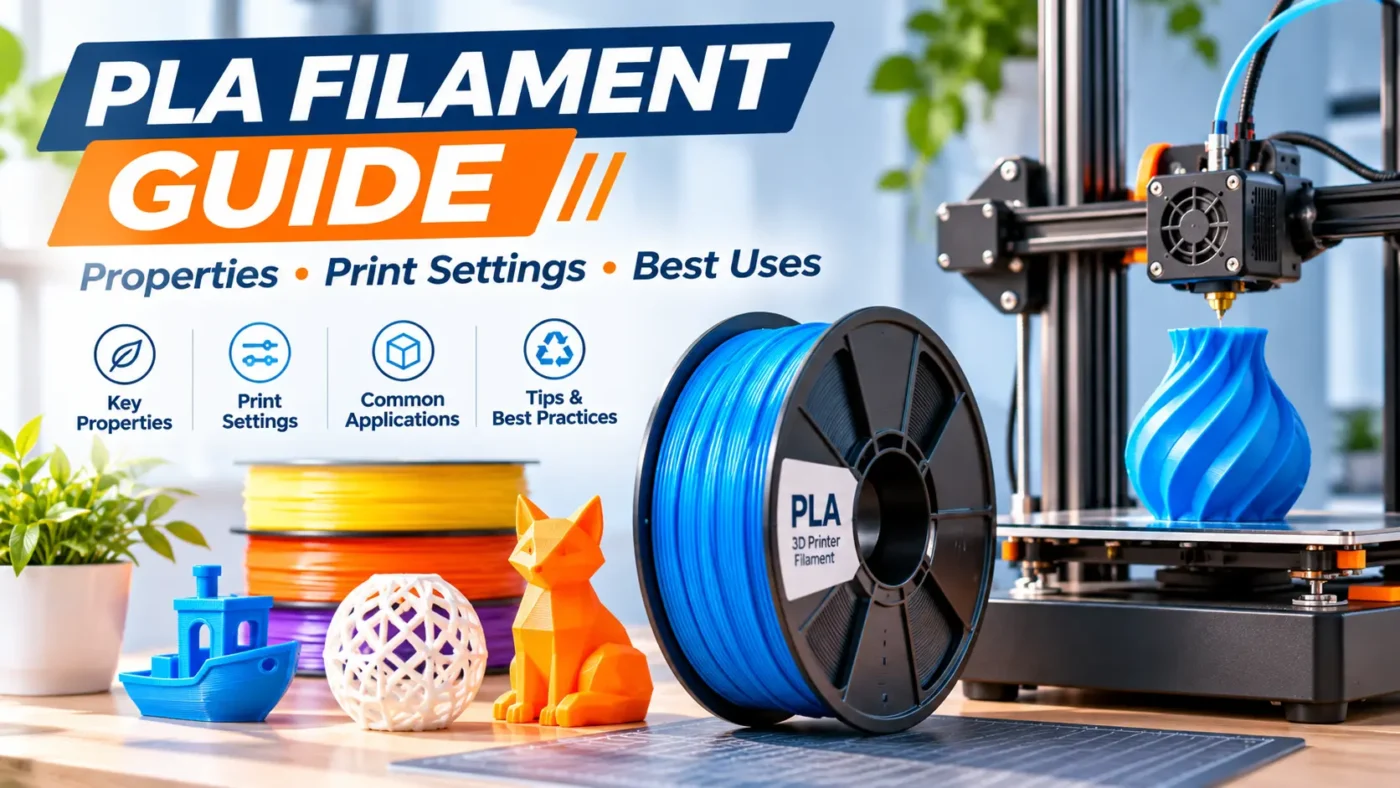
Printing temperature, warping, odor, eco-friendliness and price: this beginner-focused guide explains exactly why PLA beats other filaments for your first spool, and where it falls short. Open almost any guide to 3D printing materials and PLA sits at the top of the list. PLA (polylactic acid) is the most popular 3D printing filament in the […]
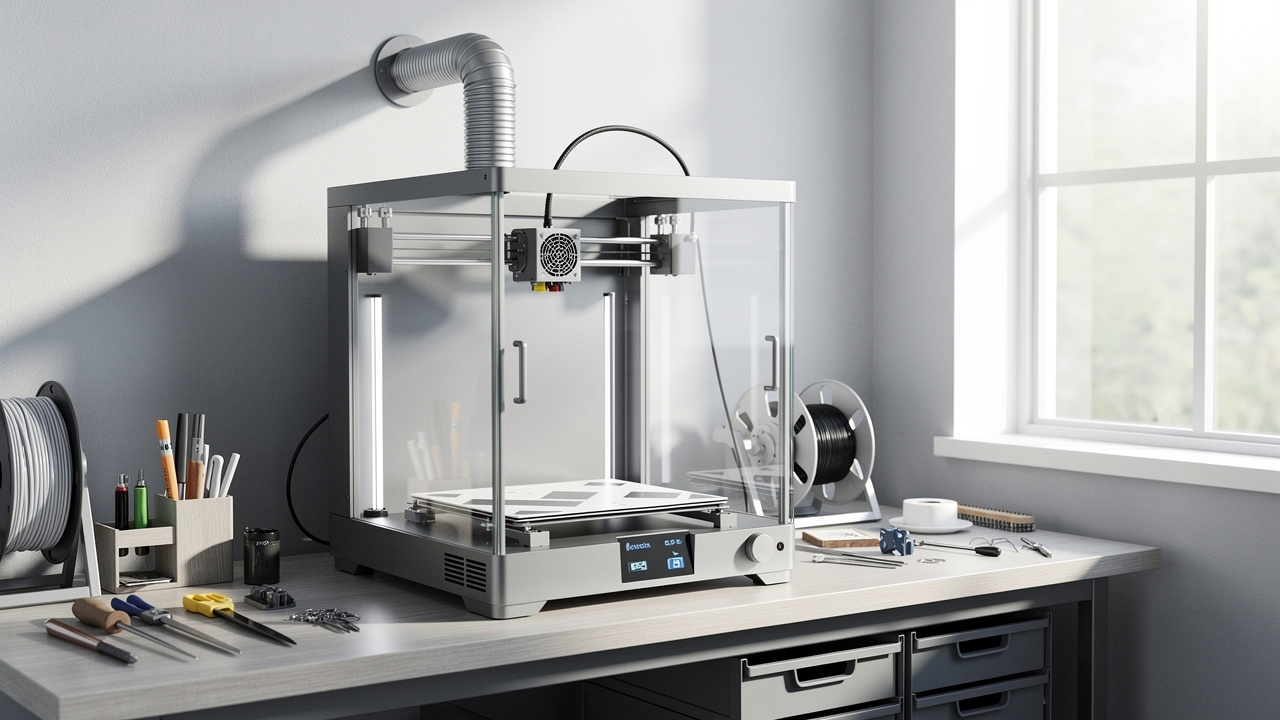
Wondering if that PLA spool is actually safe to melt in your living room? We break down what the emissions research really shows, who needs to be extra careful, and the simple habits that make printing worry-free.
Struggling with stringing, warping, or PETG that won’t stick to the bed? This guide breaks down the exact temperatures, speeds, and drying steps that turn frustrating prints into clean, strong ones.