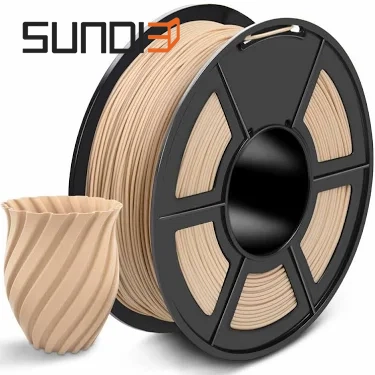
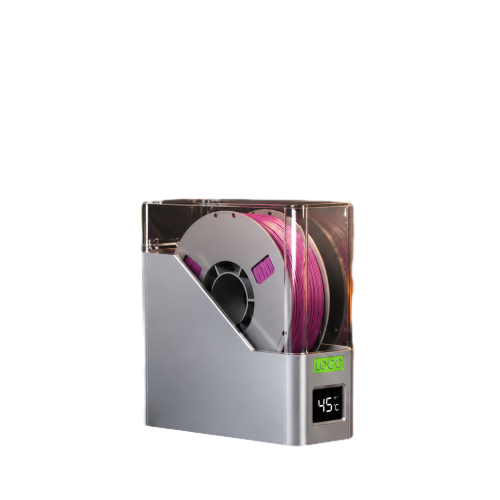
The short version PLA is the easiest filament to start with. It prints at 190–220 °C, warps far less than ABS, and usually costs less per spool than the alternatives. It also softens around 60 °C, absorbs moisture from the air, and still releases ultrafine particles while it prints. This page tells you which of […]
Monthly Archives: September 2026
A clogged nozzle almost never comes out of nowhere. Something upstream — wet filament, a wrong temperature, a worn PTFE tube — pushed the printer into a jam. This guide walks through the causes in the order they actually happen, then shows you how to clear the clog and keep it from coming back. First: […]
The short answer PLA is a plastic made from plants — usually corn or sugar cane. It is the plastic in most 3D printing filament, and it is a better choice than ordinary plastic. But “plant-based” does not mean it disappears: it needs an industrial facility to break down, so keep it out of your […]
Printing temperature, warping, odor, eco-friendliness and price: this beginner-focused guide explains exactly why PLA beats other filaments for your first spool, and where it falls short. Open almost any guide to 3D printing materials and PLA sits at the top of the list. PLA (polylactic acid) is the most popular 3D printing filament in the […]
Wondering if that PLA spool is actually safe to melt in your living room? We break down what the emissions research really shows, who needs to be extra careful, and the simple habits that make printing worry-free.
Struggling with stringing, warping, or PETG that won’t stick to the bed? This guide breaks down the exact temperatures, speeds, and drying steps that turn frustrating prints into clean, strong ones.