


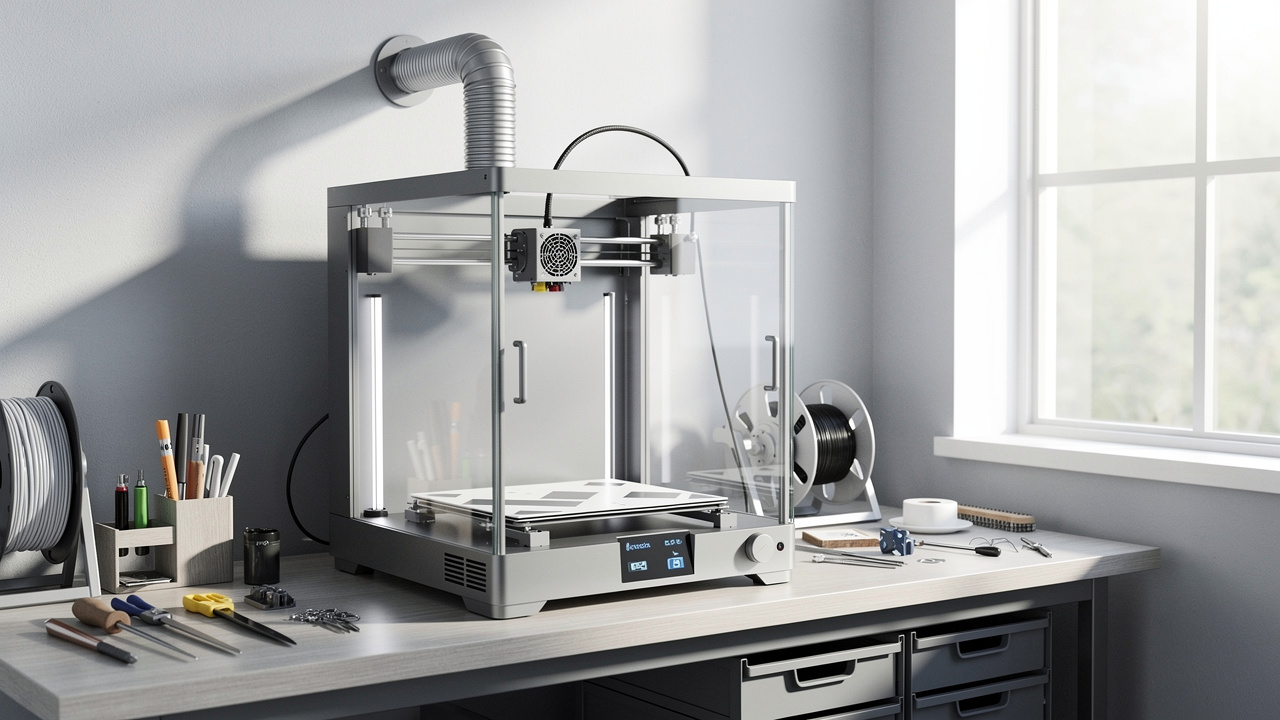
Last week, someone in a 3D-printing forum described a moment that a lot of hobbyists will recognize: they’d owned a printer for years but barely used it, then moved it into their bedroom and started a print one evening — and noticed, for the first time, an odd smell in the air. The filament was PLA, the material most guides call the “safe” choice. That word in quotes is doing a lot of work, because plenty of people assume PLA means no worries, then second-guess that assumption the moment they actually smell something while it’s printing.
It’s a fair question to sit with: is PLA filament toxic, or is it really as safe as everyone claims? You’re melting plastic at home, in a bedroom, in a classroom, or in a shared studio, and breathing whatever comes off it while it prints. PLA gets marketed as the gentle, plant-based option, but marketing claims and lab data don’t always line up — and much of what’s out there is five or more years old, from before newer studies looked more closely at what PLA actually emits.
The short answer is that PLA carries low risk, not zero risk. It’s a bioplastic made from corn starch or sugarcane, and it releases far fewer volatile organic compounds (VOCs) than filaments like ABS. Still, every fused deposition modeling (FDM) printer—PLA included—releases ultrafine particles during printing. This guide walks through the emissions data, the health effects worth watching for, and a practical hierarchy of controls—from material choice to enclosures to protective gear—that keeps home and classroom printing safe. Material choice is often the easiest and most effective safety lever to pull first.
Here’s what the numbers, the health research, and the practical controls actually show.
Key Takeaways
PLA emits far fewer VOCs and much less styrene than ABS, though it still releases ultrafine particles during printing.
Ultrafine particles, not VOCs, are the bigger long-term concern for most desktop FDM printing setups.
Children and people with asthma or other respiratory conditions need extra precautions around any 3D printer.
A hierarchy of controls, moving through substitution, engineering controls, administrative habits, and PPE, reduces risk far more than any single fix.
Lower-emission materials printed at the lowest workable temperature, combined with proper ventilation or filtration, deliver the best real-world results.
Jump to section
- Is PLA Filament Toxic? What the Science Actually Says
- PLA vs ABS Comparing Emission Profiles
- Health Impacts From Ultrafine Particles, VOCs, and Who’s Most at Risk
- Are Colored and Specialty Filaments More Risky Than Plain PLA?
- Is PLA Food-Safe? What You Need to Know
- The Hierarchy of Controls and How to Reduce 3D Printing Risks
- Practical Safety Habits for Ventilation, Distance, and Filament Drying
- PPE and Post-Processing Safety for Sanding and Finishing
- A Simple Safe 3D Printing Checklist for Home and School Use
- Frequently Asked Questions
- Conclusion
Is PLA Filament Toxic? What the Science Actually Says
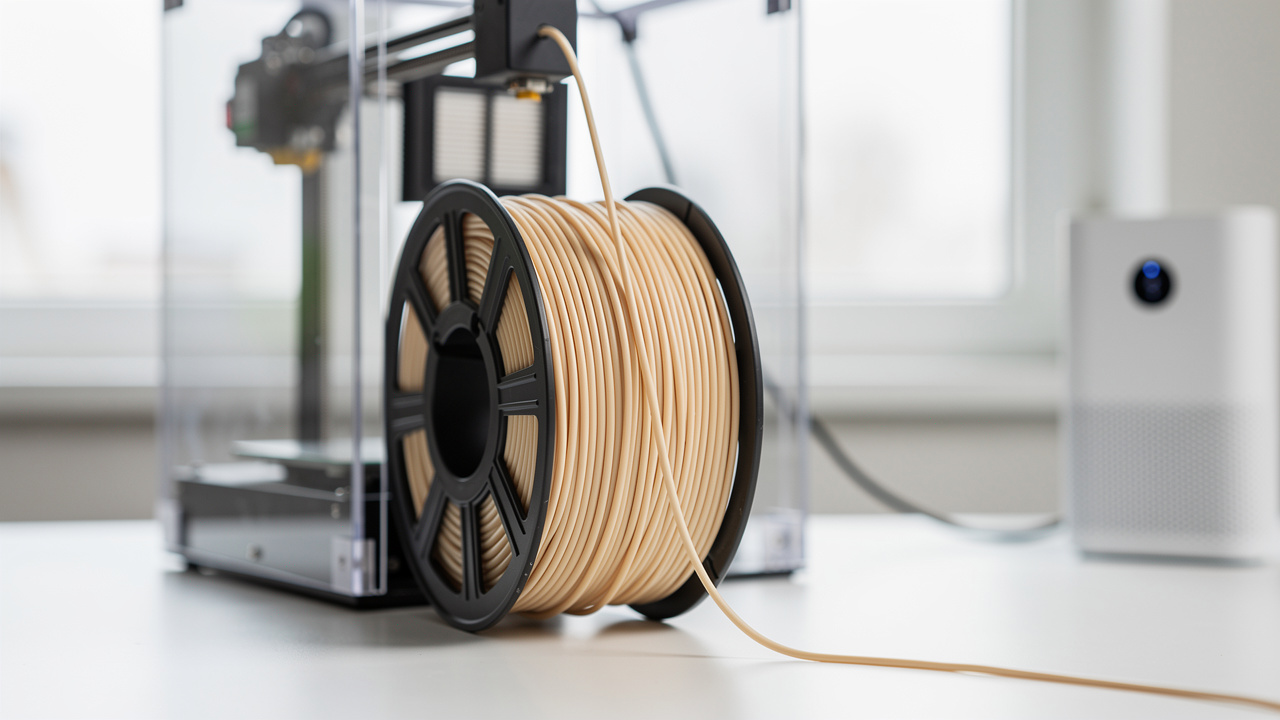
PLA filament is not toxic in its raw, solid form, and the polylactic acid polymer itself carries a genuinely strong safety record. It comes from renewable plant starches like corn or sugarcane, processed into pellets and extruded into filament without any petroleum feedstock. The same material shows up in dissolvable surgical sutures and other medical implants, which the body breaks down harmlessly over roughly two years. Sitting on a spool, PLA is chemically inert, so you could store or handle it indefinitely without any real exposure risk.
The safety question only becomes meaningful once you add heat. Melting any plastic, PLA included, releases both gas-phase chemicals and microscopic solid particles into the air around the printer. The word “toxic” gets thrown around loosely in online conversations, when a more accurate description is that PLA is low-VOC but not emission-free. That distinction matters, because it shapes how much precaution is actually warranted for everyday home or classroom use.
PLA Emissions by the Numbers
PLA’s emissions profile is best understood through a few concrete figures rather than vague reassurance. Studies measuring air quality around desktop FDM printers have generally found lactide, the primary compound released by heated PLA, at levels well under 1 part per million, even inside small enclosed test chambers. That’s a very low concentration for a compound not considered highly hazardous. The bigger open question isn’t the gas-phase chemistry at all.
Lactide is PLA’s main VOC, and it’s generally regarded as low-hazard at the concentrations typically measured during home printing.
Ultrafine particles, usually defined as smaller than 100 nanometers, form during melting and extrusion no matter what filament goes into the hotend.
Research into FDM emissions has flagged particulates, not VOCs, as the area needing more long-term data, simply because there hasn’t been time to study decades of cumulative exposure.
PLA vs ABS Comparing Emission Profiles
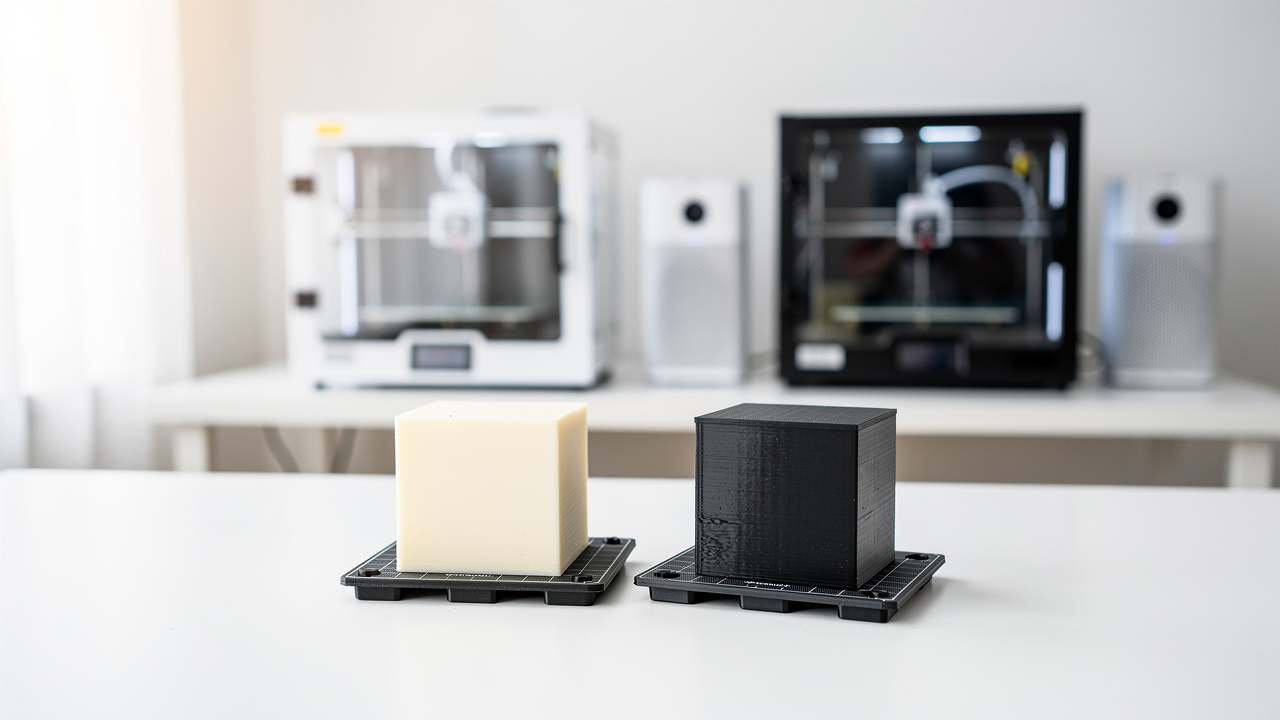
PLA and ABS sit at opposite ends of the emissions spectrum among common 3D printing filaments. PLA prints at a lower nozzle temperature, typically between 190°C and 220°C, and its main byproduct, lactide, produces only a faint, slightly sweet smell. ABS (acrylonitrile butadiene styrene) needs higher heat and releases noticeably more VOCs, including styrene, a compound recognized as a hazardous air pollutant.
That difference isn’t cosmetic. Styrene’s stronger, acrid odor actually works as a useful warning sign, telling you the room needs more airflow right away. Because of that higher VOC output, ABS printing is almost always recommended inside an enclosure with active ventilation or filtration, while PLA needs comparatively lighter precautions for typical home or classroom use. Neither filament should be treated as completely emission-free, but the gap between them is real and measurable.
Quick Comparison Table for PLA, ABS, and PETG
Seeing the numbers side by side makes it easier to weigh material choice for your next project.
| Filament | Typical Print Temp | Main VOC | Odor Level | Recommended Ventilation |
|---|---|---|---|---|
| PLA | 190-220°C | Lactide | Faint, sweet | Open window or basic airflow |
| PETG | 220-250°C | Low-level aldehydes | Mild | Fan-assisted airflow |
| ABS | 220-250°C | Styrene | Strong, acrid | Enclosure with active exhaust |
Resin-based SLA and DLP printing sits outside this table entirely, and it’s worth flagging on its own. Uncured resin is a known skin irritant, and curing fumes call for gloves, eye protection, and dedicated ventilation well beyond what any FDM filament needs.
Health Impacts From Ultrafine Particles, VOCs, and Who’s Most at Risk
Ultrafine particles pose the more meaningful long-term health question in 3D printing, more so than the VOCs that get most of the online attention. These particles are small enough, often under 100 nanometers, to travel deep into the lungs and reach the alveoli, the tiny air sacs where oxygen exchange happens. Because desktop FDM printing is still a fairly new consumer technology, researchers haven’t had decades to track cumulative exposure the way they have with secondhand smoke or diesel exhaust. No documented cases of severe illness tied to home PLA printing have shown up in the available research so far.
That doesn’t mean the risk sits at zero, and exposure adds up differently depending on who’s in the room and how the printer is used. Someone printing occasionally in a large, ventilated space faces a very different exposure than a print-farm operator running a dozen machines continuously in a small back room. Cumulative exposure over months and years, not any single print job, is the variable worth watching. This is also where individual sensitivity matters, since children, asthmatics, and anyone with an existing respiratory condition absorb the same airborne dose very differently.
Why Children and Asthma Sufferers Need Extra Caution
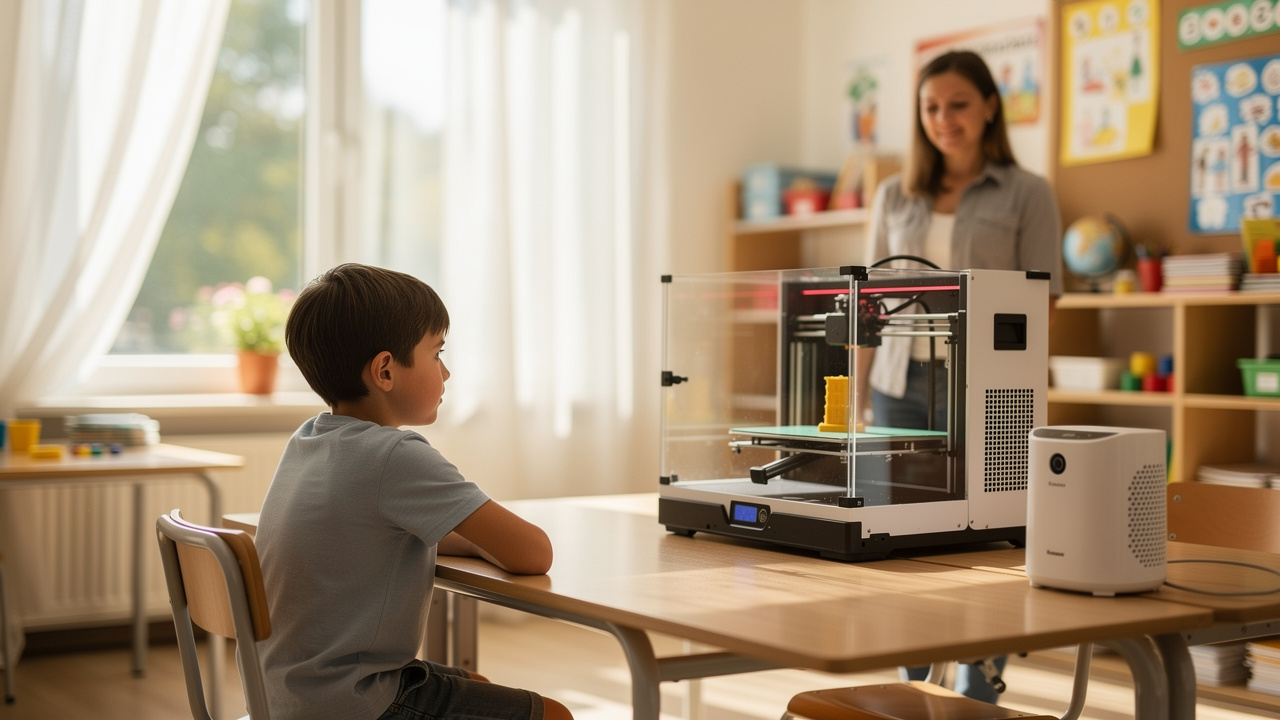
Children face a genuinely higher relative exposure than adults sitting in the same room. Their airways are smaller, they breathe faster relative to their body size, and their lungs are still developing, all of which magnify the effect of any airborne particle load. People managing asthma or other respiratory conditions can also react more strongly to particulates that a healthy adult might not even notice.
Keep printers out of bedrooms and away from any space where children or vulnerable family members sleep, since overnight exposure in an unventilated room adds up quickly.
In classrooms, position printers away from desks and seating areas, and give the room extra ventilation time before students return to that part of the space.
Anyone managing asthma should ask a doctor about specific precautions, since individual sensitivity varies and general guidance can’t account for a personal medical history.
Are Colored and Specialty Filaments More Risky Than Plain PLA?
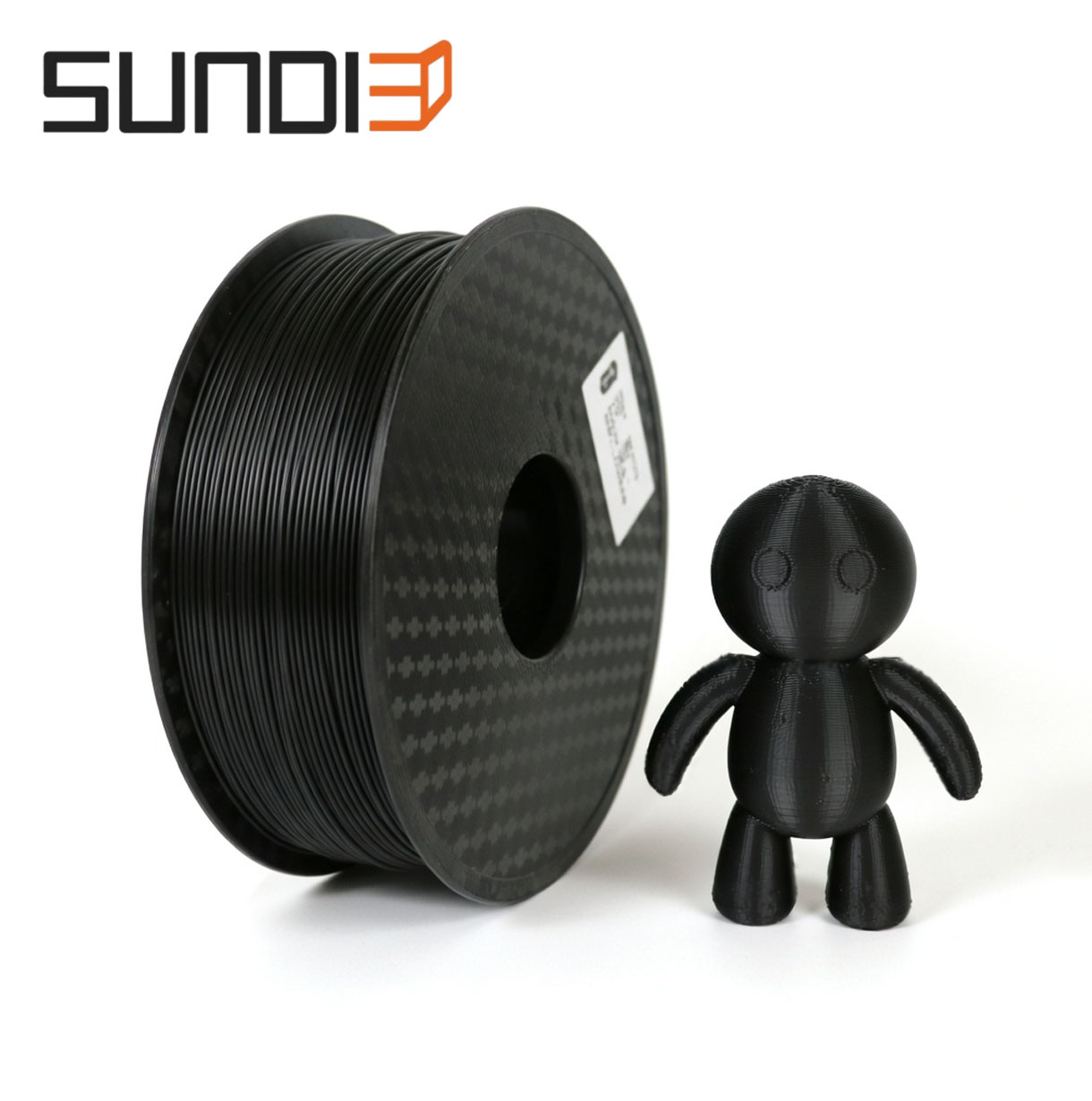
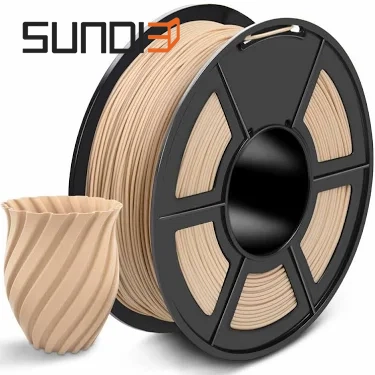
Colored and specialty PLA filaments can carry more risk than plain, natural PLA, mainly because of what’s blended in rather than the base polymer itself. A spool of filament is rarely 100% pure PLA resin. Manufacturers add pigments for color, and often blend in extra ingredients to create silk finishes, matte textures, or reinforced blends like wood-fill, metal-fill, or carbon-fiber PLA+.
Those additives are the least regulated part of the entire safety picture. There’s currently no requirement forcing filament makers to disclose their full chemical formula on the packaging, which means a budget spool from an unverified seller could contain untested colorants, including trace heavy metals in some pigments. Reputable manufacturers are generally willing to provide a Safety Data Sheet (SDS), a document listing a product’s chemical makeup and handling precautions, on request. Choosing a brand that offers one closes that information gap, especially for schools and makerspaces buying filament for shared, mixed-experience use.
Is PLA Food-Safe? What You Need to Know
PLA is not food-safe once it’s been 3D printed, even though the raw resin comes from food-grade plant starch. Three separate problems combine to create this gap between the material and the finished object. Layer lines leave microscopic ridges and gaps that are nearly impossible to fully clean, giving bacteria a place to collect and multiply with repeated washing.
The printer hardware adds another layer of concern. Most hotends use brass nozzles, an alloy that can contain trace lead, and a nozzle previously used for other filaments can carry residue into a later, otherwise food-safe print. Add in the same unregulated colorants and additives discussed above, and a raw PLA print simply hasn’t been tested to the standard food-contact plastics require. The one reliable fix is coating the finished object with a certified food-grade epoxy or sealant, which seals the layer lines and creates a smooth, washable barrier. Without that step, treat any 3D printed item, PLA or otherwise, as decorative rather than food-safe.
The Hierarchy of Controls and How to Reduce 3D Printing Risks
The hierarchy of controls is a safety framework, borrowed from industrial hygiene, that ranks protective measures from most to least effective. It moves through four tiers: substitution (choosing a lower-risk material), engineering controls (enclosures and filtration), administrative measures (habits like ventilation timing and distance), and personal protective equipment as the last line of defense.
Applying just one of these tiers, like buying a single air purifier, leaves gaps that the other tiers exist to close. Layering several controls together, starting with material choice and working down to PPE, cuts cumulative exposure far more effectively than relying on any single fix. The next few sections walk through each tier as it applies specifically to PLA printing.
Substitution Means Choosing Lower-Emission Materials
Material choice is the single most effective control available, because a lower-emission filament reduces risk before printing even starts. Choosing PLA over ABS or ASA for home and classroom projects already cuts VOC output substantially, and printing at the lowest nozzle temperature that still produces good layer adhesion further reduces thermal decomposition byproducts.
PLA and PETG generally outperform ABS and ASA on VOC output, making them the more sensible default for shared or child-occupied spaces.
Low-temperature filaments extend the substitution principle further. Some newer bioplastic formulations are marketed as natural, non-toxic, and odorless, processing at temperatures well below standard PLA — a meaningful advantage when ventilation is limited.
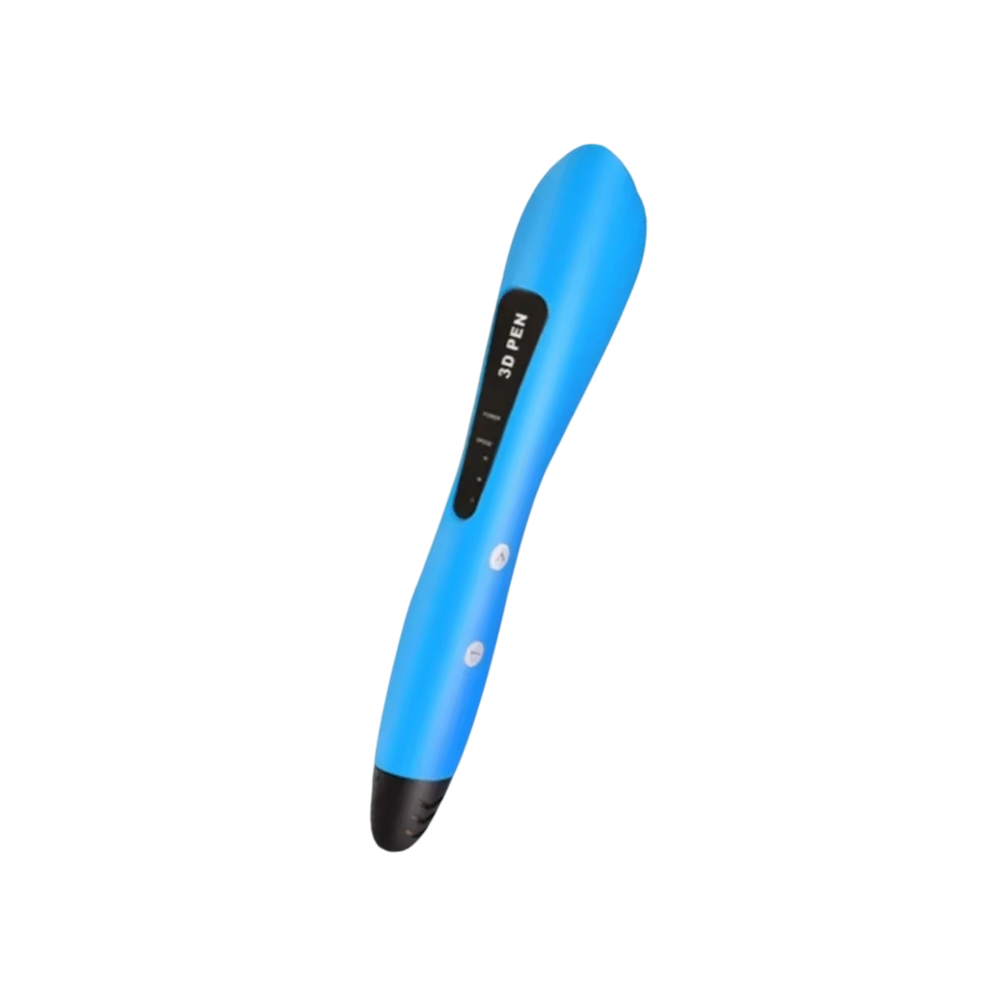
The same low-temperature approach shows up in 3D pens designed for younger users, which some schools have piloted specifically to reduce burn risk and fume exposure for students.
Engineering Controls Using Enclosures and HEPA Filtration
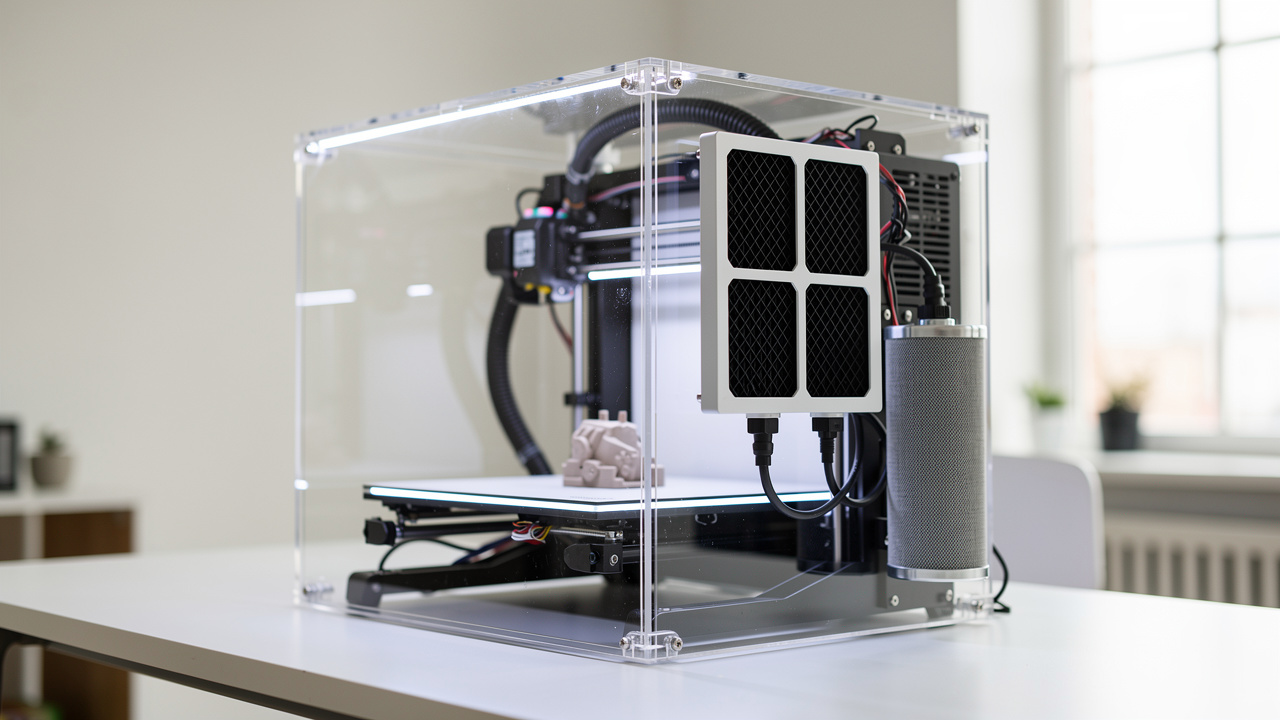
Engineering controls physically capture or remove emissions before they reach your lungs, and they matter most for anyone printing frequently or with higher-emission materials. A HEPA filter, short for high-efficiency particulate air filter, traps ultrafine particles the way a very fine mesh strainer catches sediment, but it does nothing to remove gas-phase VOCs.
Activated carbon is the piece HEPA filtration is missing, since it chemically adsorbs gas-phase chemicals like styrene rather than trapping solid particles.
Pair an enclosure with both HEPA and activated carbon stages for full-spectrum coverage, or look into open-source designs like the Nevermore filter, popular for stronger, easily replaceable carbon media.
Avoid opening an enclosure mid-print to check on a model, since emissions build up inside a closed chamber, and opening the door releases that trapped concentration in one sudden burst.
Practical Safety Habits for Ventilation, Distance, and Filament Drying
Everyday habits, not expensive equipment, prevent most cumulative exposure from home or classroom 3D printing. The clearest example is timing: give a finished print at least 20 minutes before opening an enclosure or walking back into the room, since that window lets trapped particles and VOCs settle or dissipate instead of concentrating in the air you’re about to breathe.
Positioning matters just as much as timing. Keep the printer away from desks, couches, or anywhere someone sits for hours at a stretch, since particle concentration drops sharply with distance from the source. A small fan aimed to push air toward an open window creates a simple directional airflow path, keeping fumes moving away from your breathing zone instead of settling in the room.
Why Filament Drying Matters for Air Quality Too
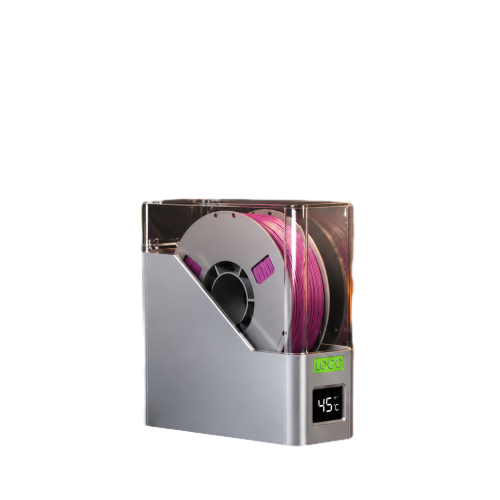
PLA is hygroscopic, meaning it absorbs ambient moisture from the air over time, and that moisture affects more than print quality. Damp filament is known for causing stringing and popping during extrusion, and some hobbyists suspect it may also push particulate emissions higher as it vaporizes mid-print. Storing filament in an airtight container with desiccant, or drying it before use, addresses both problems at once. Dryer boxes with precise temperature control and sensors that monitor filament temperature help hold a consistent drying cycle and prevent the material degradation that comes with inconsistent, overly hot drying.
PPE and Post-Processing Safety for Sanding and Finishing
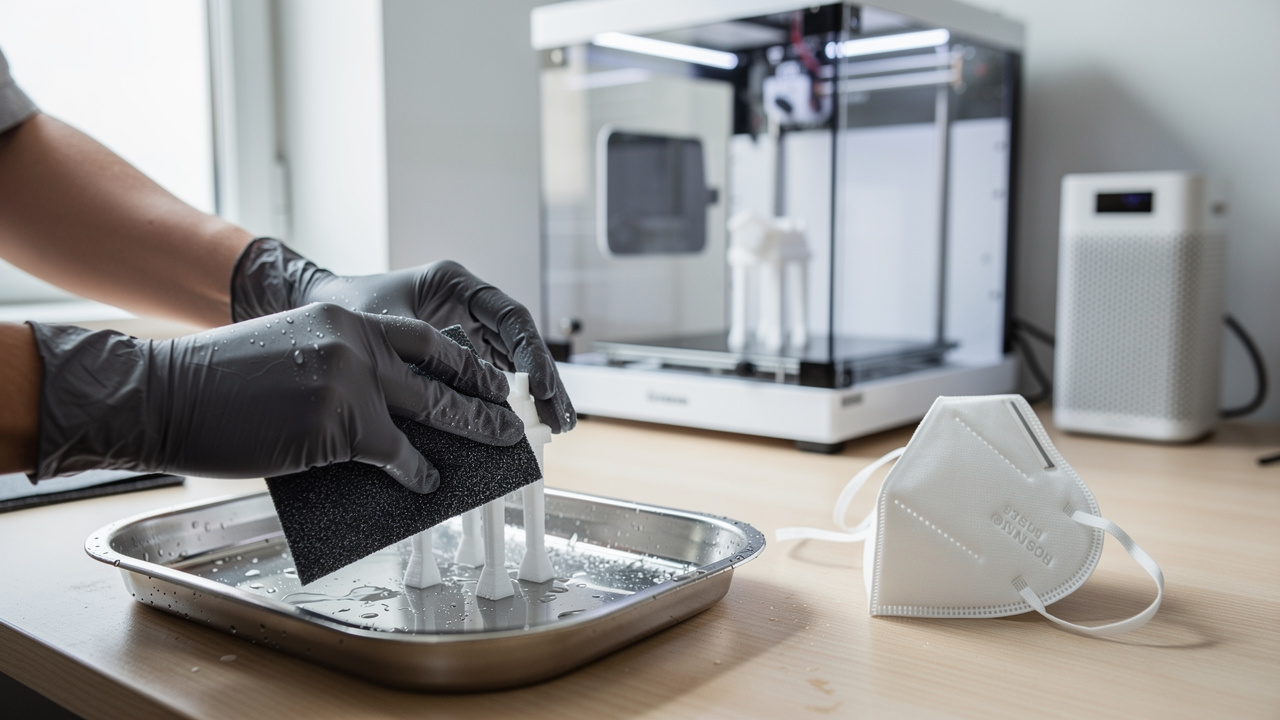
Personal protective equipment is the last tier of the hierarchy, and it matters most during post-processing rather than during printing itself. Sanding, drilling, or cutting a finished PLA print generates fine plastic dust that becomes airborne and can irritate the respiratory system with repeated, unprotected exposure. A basic cloth mask does not filter particles this small.
Wear an N95-rated respirator or better for any significant sanding, drilling, or cutting session, since it’s built to filter fine particulate matter before it reaches your lungs.
Work in a well-ventilated area, ideally outdoors or near an open window with active airflow, whenever post-processing a print.
Try wet-sanding as an alternative. Dampening the sandpaper traps dust in the moisture instead of letting it become airborne, and it also produces a smoother finish.
A Simple Safe 3D Printing Checklist for Home and School Use
Pulling every recommendation in this guide into one scannable list makes it easier to apply on your next print job, whether you’re working from a home office or a shared classroom lab.
Choose PLA or a low-temperature bioplastic over higher-VOC options such as ABS or ASA whenever the project allows it.
Print at the lowest nozzle temperature that still gives good layer adhesion, since lower heat generally means fewer thermal decomposition byproducts.
Ventilate the room with an open window or a fan directed toward an exhaust point, and avoid running a printer in a small, sealed space for hours at a time.
Pair any enclosure with combined HEPA and activated carbon filtration, and avoid opening it mid-print.
Wait at least 20 minutes after a print finishes before entering the room or opening an enclosure.
Keep printers away from seating areas, bedrooms, and anywhere children spend extended time.
Wear an N95 respirator during sanding or cutting, and consider wet-sanding to cut down on airborne dust.
For classrooms and makerspaces, add centralized ventilation, posted safety guidance, and filament sourced from manufacturers who provide a Safety Data Sheet.
Final Thoughts
PLA remains the most forgiving and widely accessible filament for anyone starting out in 3D printing, and that reputation holds up under scrutiny. Its risks are real, but they’re modest, well-documented, and manageable with the same commonsense precautions any workshop tool deserves. Layering the hierarchy of controls, starting with material choice and lower nozzle temperatures, then adding ventilation, filtration, distance, and proper respiratory protection during finishing work, closes nearly every gap a single fix would leave open. Treat your printer the way you’d treat a table saw or a soldering iron, and it becomes a genuinely low-risk part of your workspace.
Frequently Asked Questions
Frequently Asked Questions
Common questions about 3D printing, PLA safety, ventilation, filtration, and low-temperature materials.
Does PLA smell bad when printing, and does that mean it’s unsafe?
No. The faint, slightly sweet smell you notice while printing PLA comes from lactide, its main low-level VOC, and it isn’t a hazard indicator. ABS produces a much stronger, acrid smell, which is actually the more reliable warning sign that a room needs better ventilation.
Can I 3D print safely in a bedroom or small home office?
Yes, with basic precautions. Crack a window or run a fan to keep air moving during and after the print, and avoid sleeping in that room while the printer runs or right after it finishes, giving particles time to clear.
How long should I wait before entering a room after a PLA print finishes?
A good rule of thumb is at least 20 minutes, which gives airborne particles and VOCs time to settle or dissipate. Enclosed printers or sealed rooms may need longer, since trapped emissions have nowhere to escape until you open a vent.
Do I need an enclosure if I only print PLA occasionally?
Not necessarily. Occasional PLA printing in a well-ventilated room carries low risk without an enclosure. Enclosures matter more for frequent printing, print farms running multiple machines, or higher-emission materials like ABS, where cumulative exposure runs considerably higher.
What’s the difference between a HEPA filter and a carbon filter for 3D printers?
A HEPA filter physically traps ultrafine particles, much like a fine mesh strainer. An activated carbon filter chemically adsorbs gas-phase VOCs, something HEPA can’t do. Combining both gives broader protection, while either one alone leaves a real gap.
Is it safe to run multiple 3D printers in a classroom or makerspace at once?
It requires more planning than a single home printer. Cumulative emissions from several machines running together are higher than one unit alone, so centralized ventilation, posted safety protocols, and reputable filament sourcing become genuinely important in shared spaces.
Can low-temperature filaments like PCL reduce fume exposure for kids?
Yes. Lower processing temperatures generally reduce thermal decomposition byproducts, since less heat means less material breakdown during extrusion. PCL filaments and low-temperature 3D pens both use this approach, making them a reasonable, classroom-friendly option for younger users.
Conclusion
PLA filament is not a toxic material in any acute sense, and the evidence supports treating it as the safest, most accessible entry point into 3D printing for hobbyists, schools, and creative studios alike. Its risks—ultrafine particles, unregulated additives in colored blends, and dust from post-processing—are real but modest, and none of them require expensive equipment to manage well.
Start with material choice, print at sensible temperatures, add ventilation and filtration where it makes sense, and finish with proper respiratory protection during sanding. A substitution-first approach—choosing lower-emission, lower-temperature materials whenever possible—gives the biggest risk reduction before any engineering control is added. Put these layers together, and PLA printing becomes a genuinely low-risk habit rather than a source of worry.
Sources & References
Information in this article is supported by research and safety guidance from government and academic institutions.
External sources are provided for reference and further reading. Please consult the original publications and guidance for complete information.
