


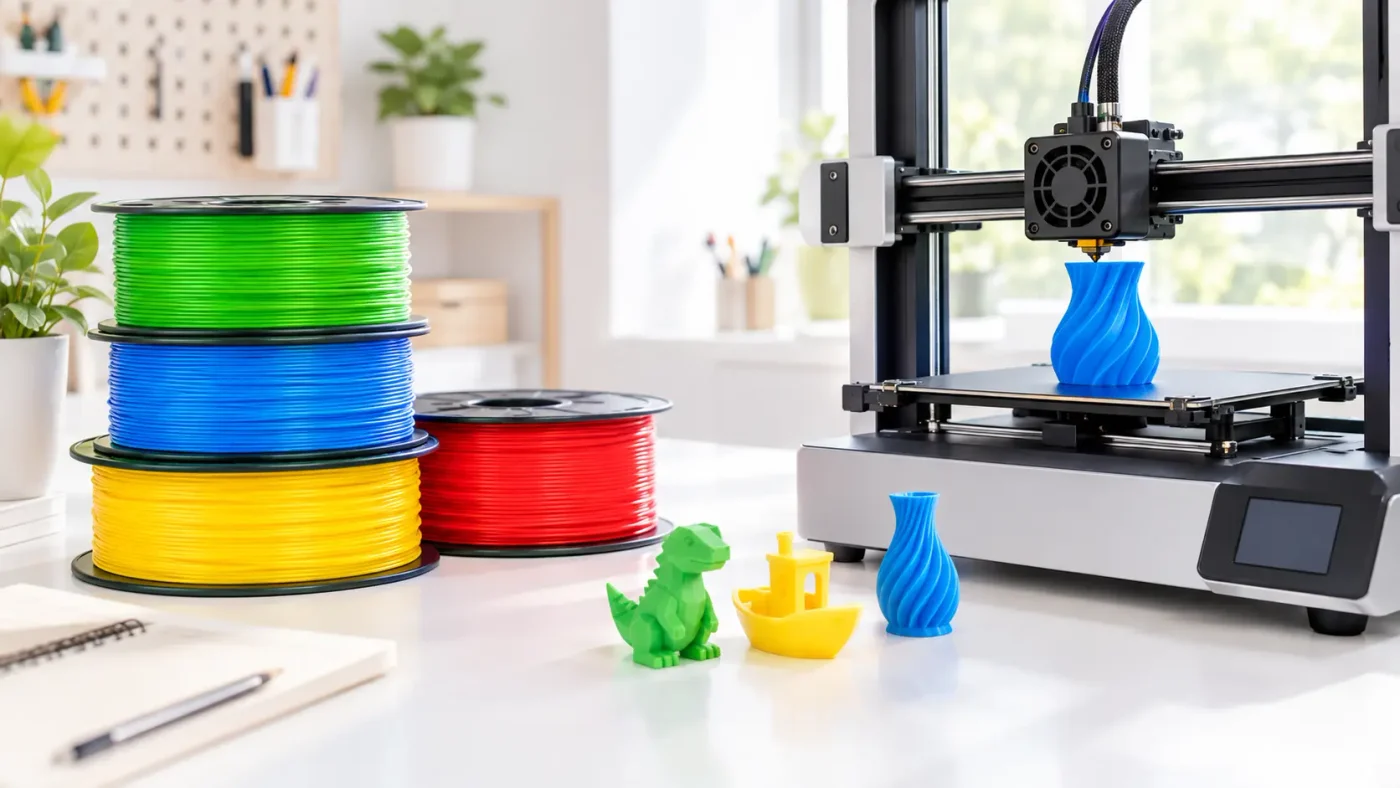
Printing temperature, warping, odor, eco-friendliness and price: this beginner-focused guide explains exactly why PLA beats other filaments for your first spool, and where it falls short.
Open almost any guide to 3D printing materials and PLA sits at the top of the list. PLA (polylactic acid) is the most popular 3D printing filament in the world, and for good reason: it combines easy printing, low odor and low cost in a way no other material matches. But what exactly makes it better than ABS, PETG or TPU? This article answers that question clearly, so you can pick the right filament with confidence.
1.Why PLA Is the Most Beginner-Friendly Filament: 4 Key Advantages
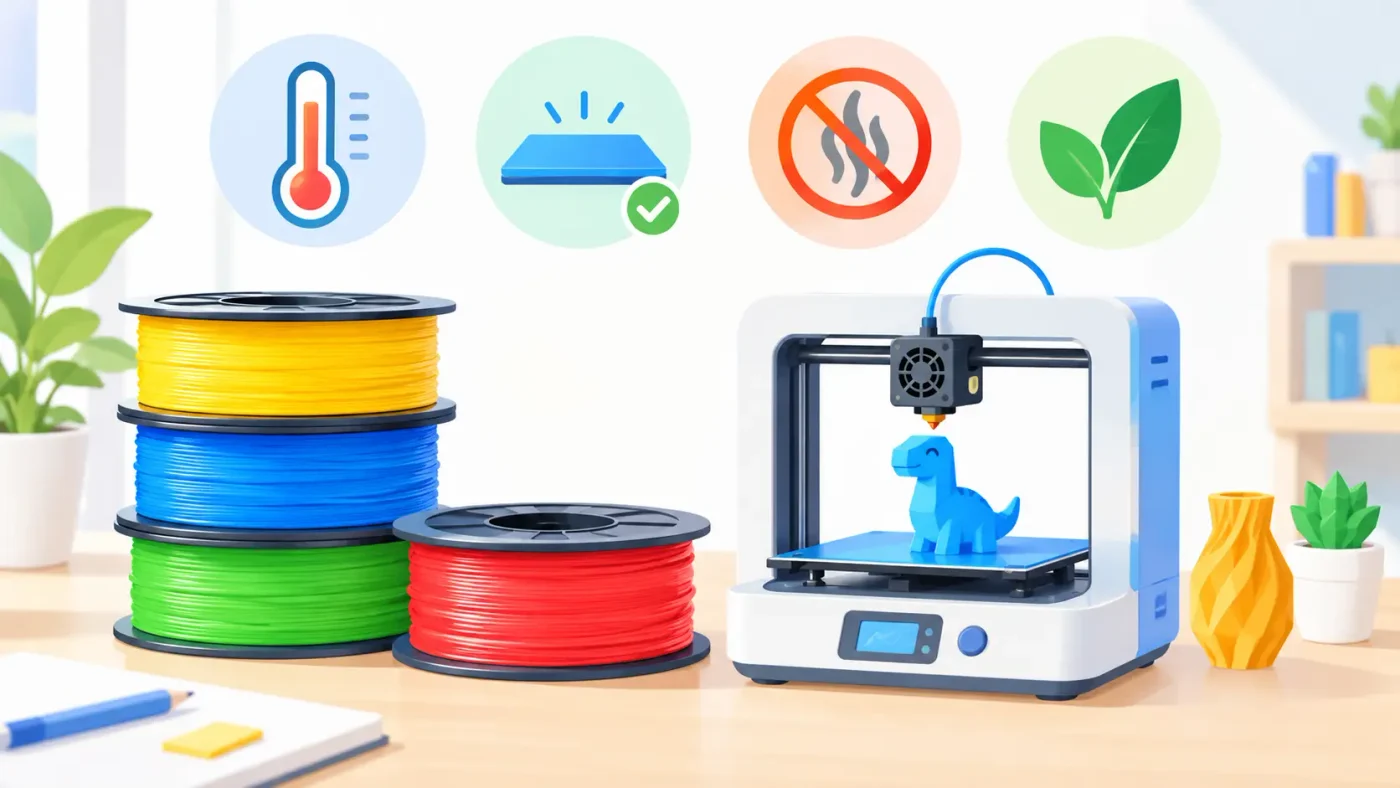
1.1 Low printing temperature – gentle on your printer
Most PLA filaments print smoothly at 180-220°C,well below the 220-250 C that ABS typically needs. A lower nozzle temperature means less strain on your hotend, more consistent extrusion and fewer failed prints. Many entry-level printers handle PLA beautifully, which is exactly why it is the default material for first-time makers.
1.2 Minimal warping – prints stay where they should
PLA shrinks very little as it cools, so it is far less prone to warping, curling and lifting off the build plate than ABS.You can often print PLA without a heated bed (if you use one, 40-60 C is plenty), which removes one of the most common causes of beginner frustration and dramatically improves your print success rate.
1.3 Very little odor – safer and more pleasant indoors
PLA produces almost no noticeable smell while printing,unlike ABS, which releases a strong chemical odor. That makes PLA the preferred choice for homes, classrooms and hobby rooms. As with any 3D printing, we still recommend printing in a ventilated area and keeping children away from the hot nozzle.
1.4 Eco-friendly, renewable and affordable
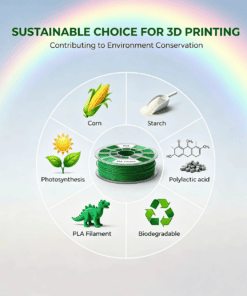
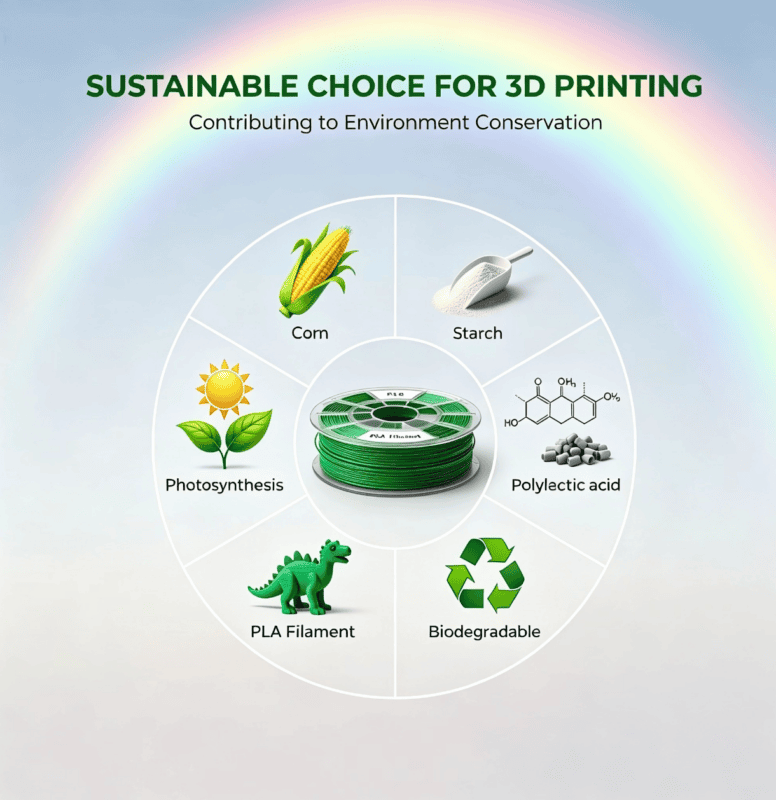
PLA is made from plant-based sources such as corn starch, which makes it a biodegradable, renewable plastic (under industrial composting conditions) rather than a petroleum-based one. Add its low price and huge range of colors, and you have a material that is kind to your wallet, easy to experiment with and friendlier to the planet.
2.PLA vs ABS vs PETG vs TPU: Where PLA Wins
·PLA vs ABS: easier to print, more forgiving.
ABS offers higher strength and heat resistance, but it needs a heated bed, warps easily and smells strong. PLA prints with far fewer problems, produces little odor and needs no acetone smoothing. For effortless first prints, PLA wins clearly.
·PLA vs PETG: easier to print, cleaner surface finish.
PETG is tougher and more heat- and moisture-resistant, which suits functional parts. But it is harder to print and more prone to stringing. If you want smooth, attractive results with minimum fuss, PLA is the better first choice.
·PLA vs TPU: different jobs, not really rivals.
TPU is a flexible, rubber-like filament for shock-absorbing and protective parts. PLA is rigid and easy to shape – ideal for figures, prototypes, decorative models and education projects, which covers the vast majority of everyday printing.
The bottom line: when it comes to overall ease of use, PLA has almost no rival. High success rates, vivid colors and a friendly price make it the default filament for hobbyists, students and anyone printing for fun or prototyping.
3.PLA Limitations You Should Know (Being Honest)
·Modest heat resistance:
PLA softens and deforms around 50-60 C, so keep finished parts out of hot cars and away from high temperatures.
·Somewhat brittle:
PLA is less impact- and flex-resistant than PETG or ABS, so it is not ideal for load-bearing parts that take real stress.
·Moisture-sensitive:
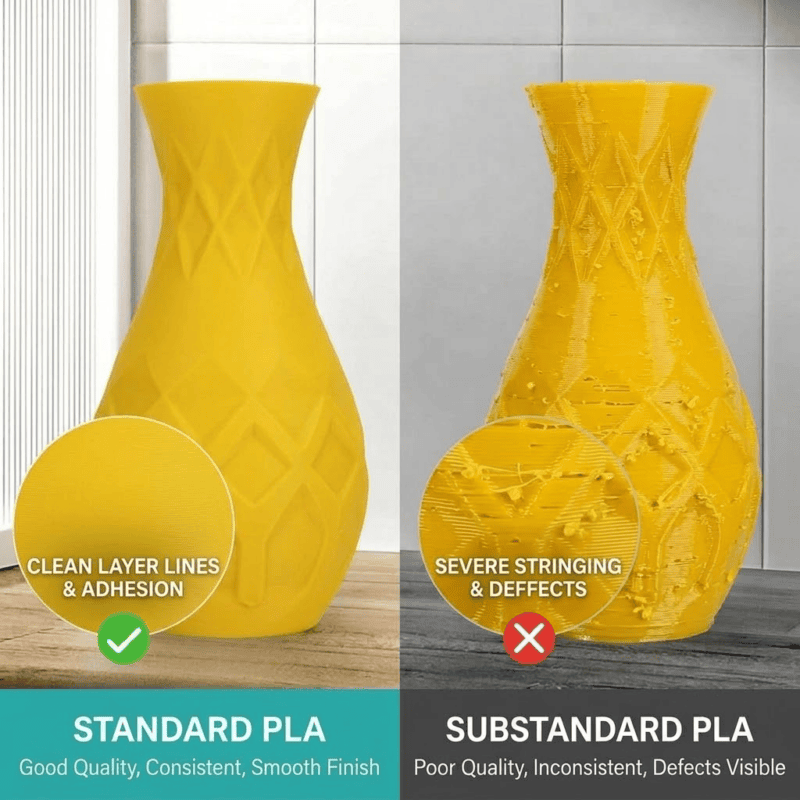
PLA absorbs humidity. Wet filament causes stringing, weak parts and snapped strands, so always store spools sealed and dry.
4.Beginner Buying Tips: How to Choose PLA Filament
·quick tips for buying your first PLA spool
4.1 Check the diameter first: most desktop printers use 1.75mm filament – confirm what your printer takes before ordering.
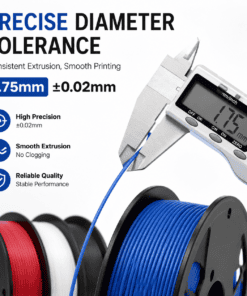
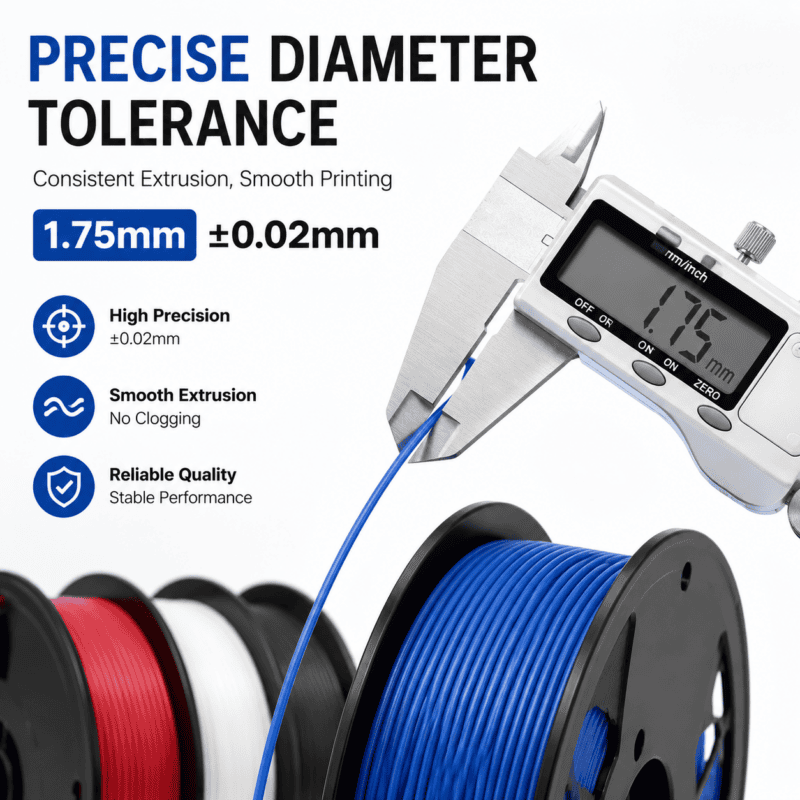
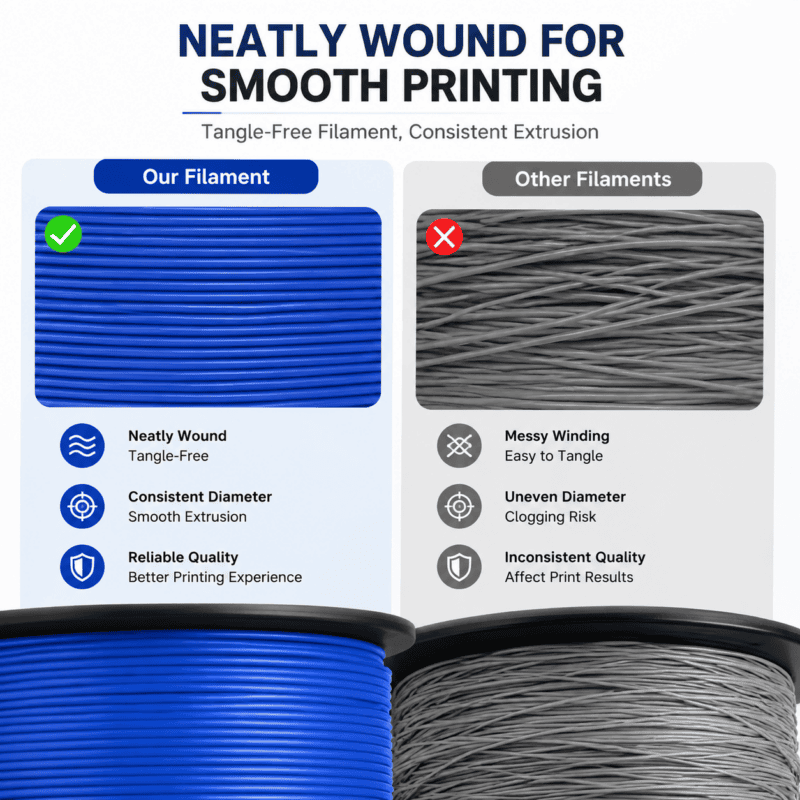
4.2 Look for tight diameter tolerance: quality brands hold roughly +/-0.02mm, giving smoother extrusion and fewer clogs.
4.3 Buy a 0.5-1kg spool of a basic color (black, white or gray) to practice, then explore vivid colors once you are comfortable.
4.4 Store filament in a sealed bag with desiccant; if a spool gets damp, dry it at a low temperature following the manufacturer instructions.
4.5 Wait for the build plate to cool before removing your print, so you avoid warping the model or damaging the surface.
5. Conclusion: Is PLA Right for You?
If you are new to 3D printing and want beautiful results with the least trial and error, PLA is the filament to start with. It prints easily, smells barely at all, costs little and looks great, covering roughly 80% of everyday printing needs. Only when you need parts that must resist heat or handle real impact should you move up to PETG or ABS.
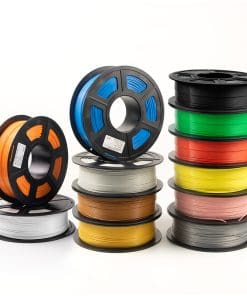
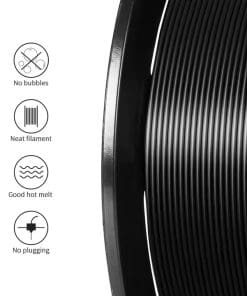
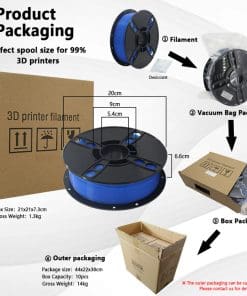

























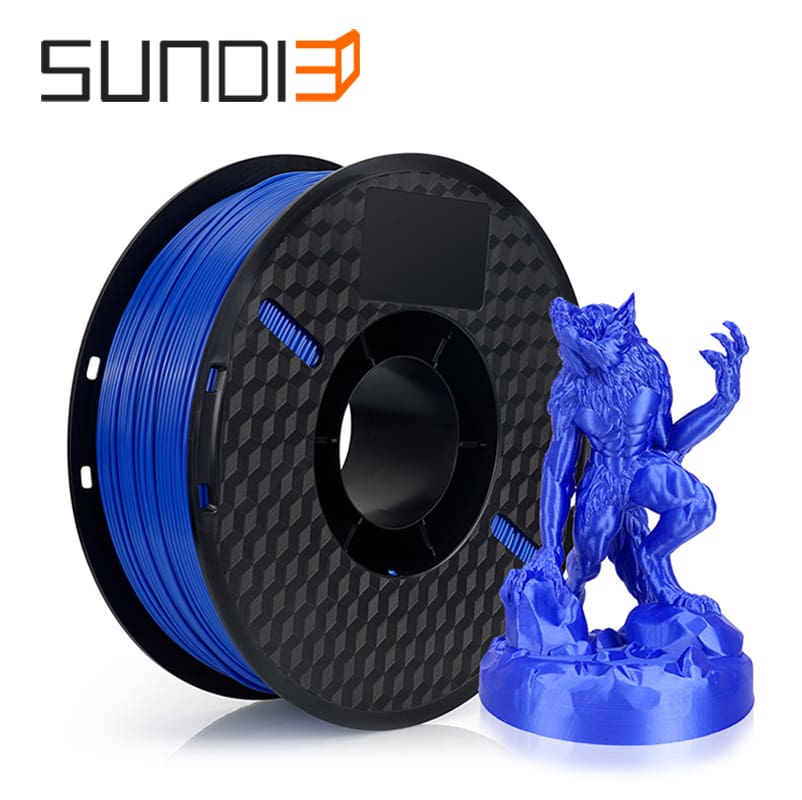
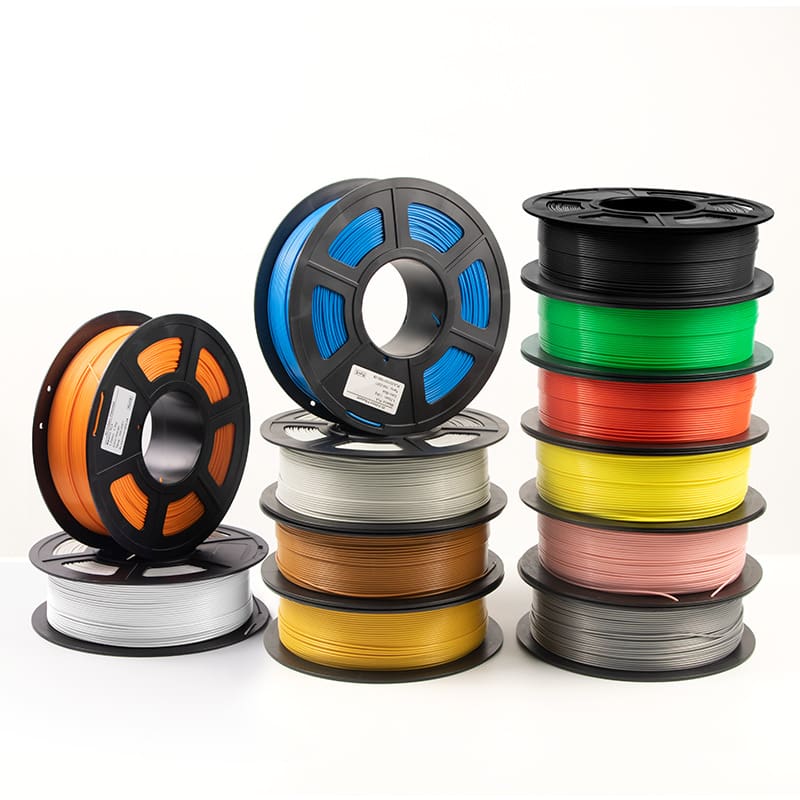
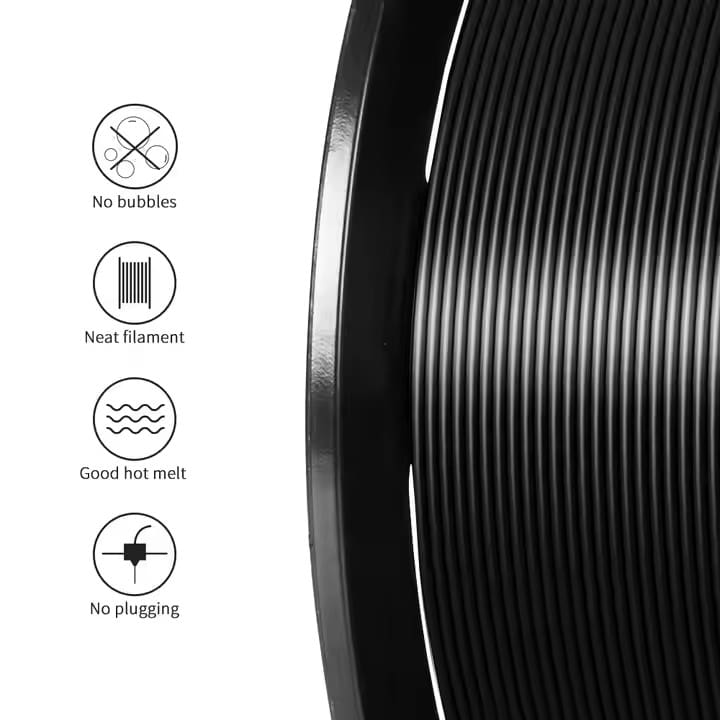
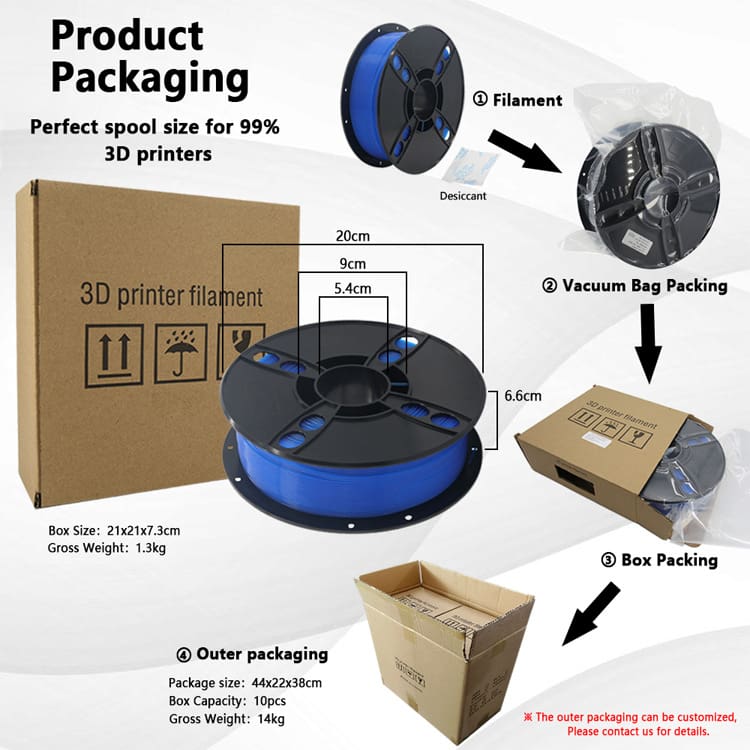

























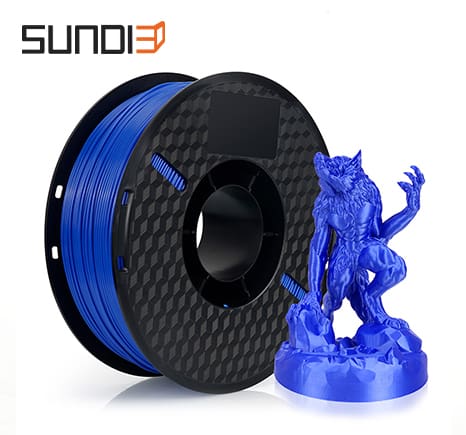
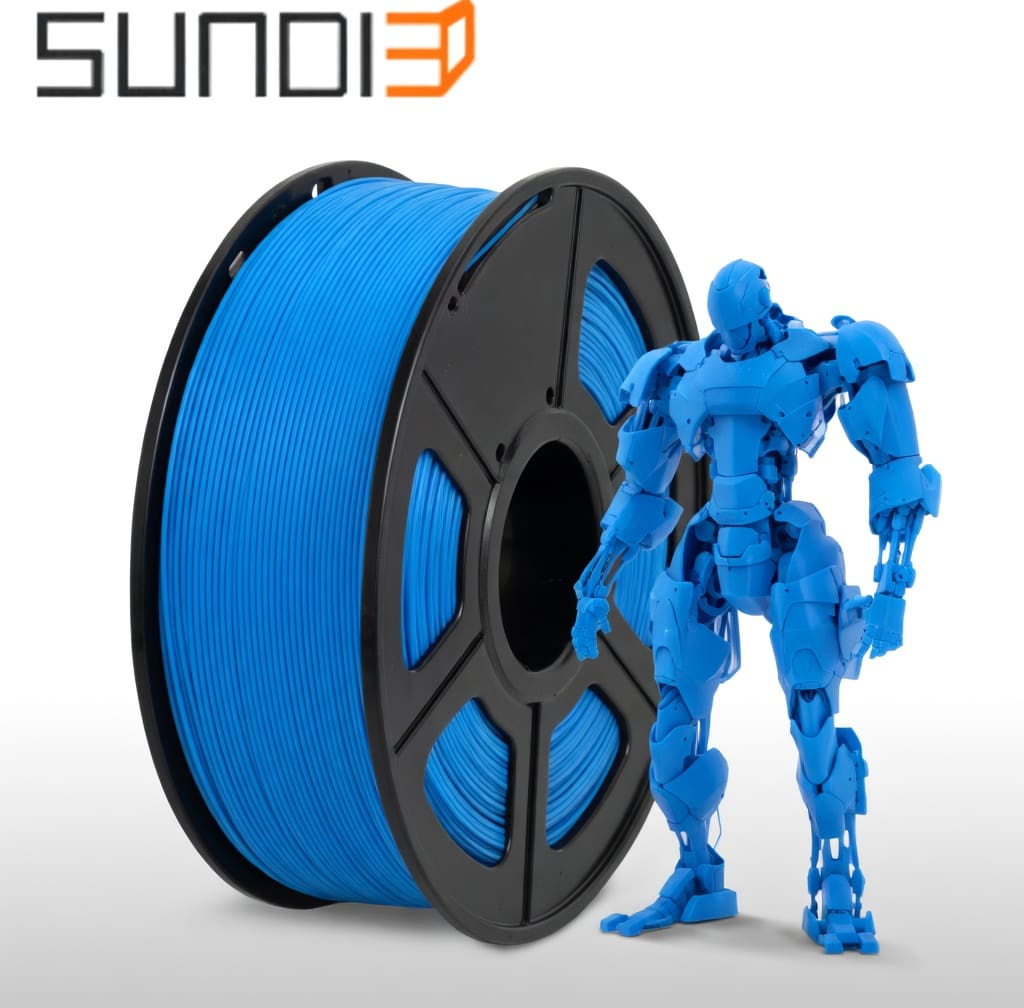
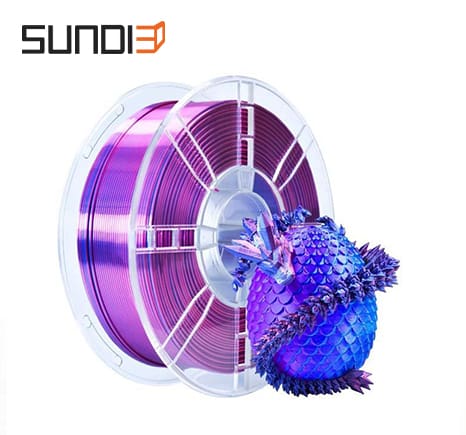
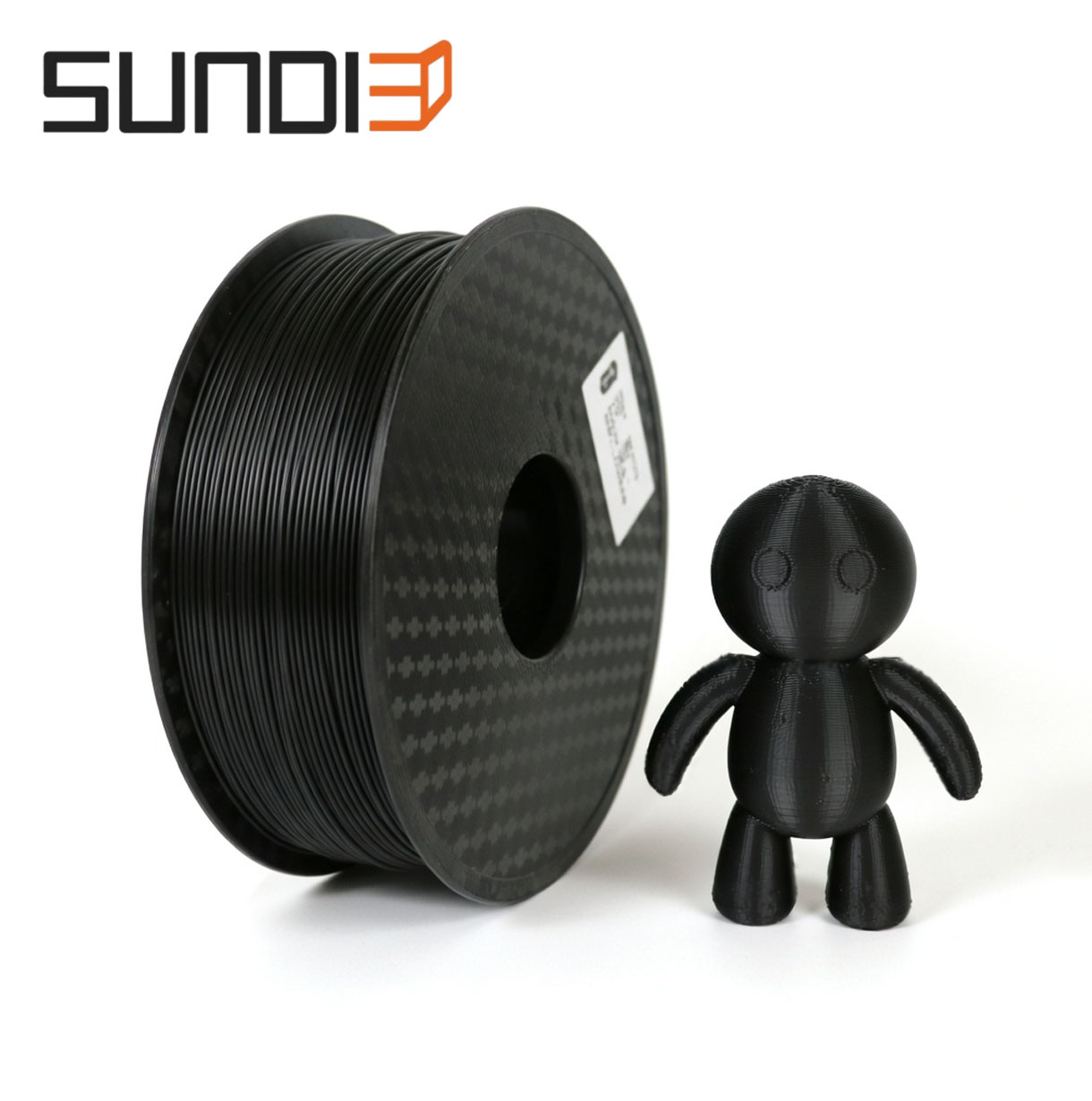
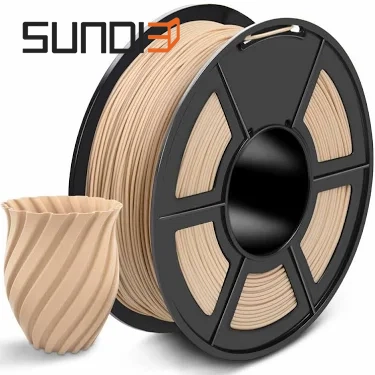
SUNDI3D PLA Filament Biodegradable 3D Printing Filament
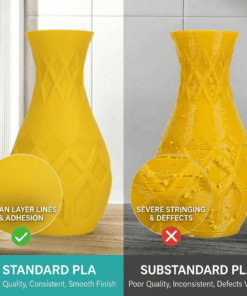
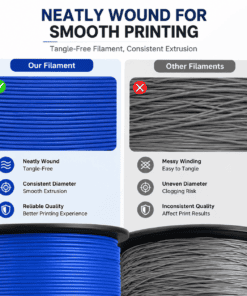
SUNDI3D PLA Filament 1.75mm (1kg) offers smooth printing performance, excellent detail reproduction, low shrinkage, and minimal warping. Available in multiple colors, it is ideal for detailed models, prototypes, and everyday FDM 3D printing applications.
