
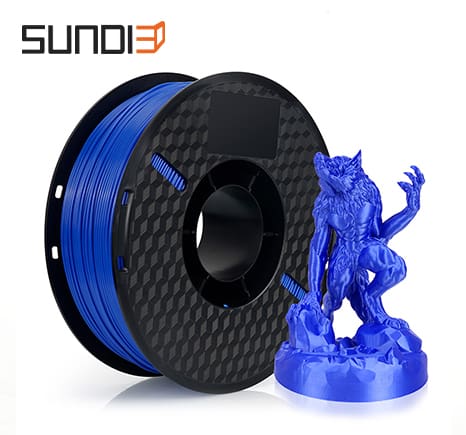
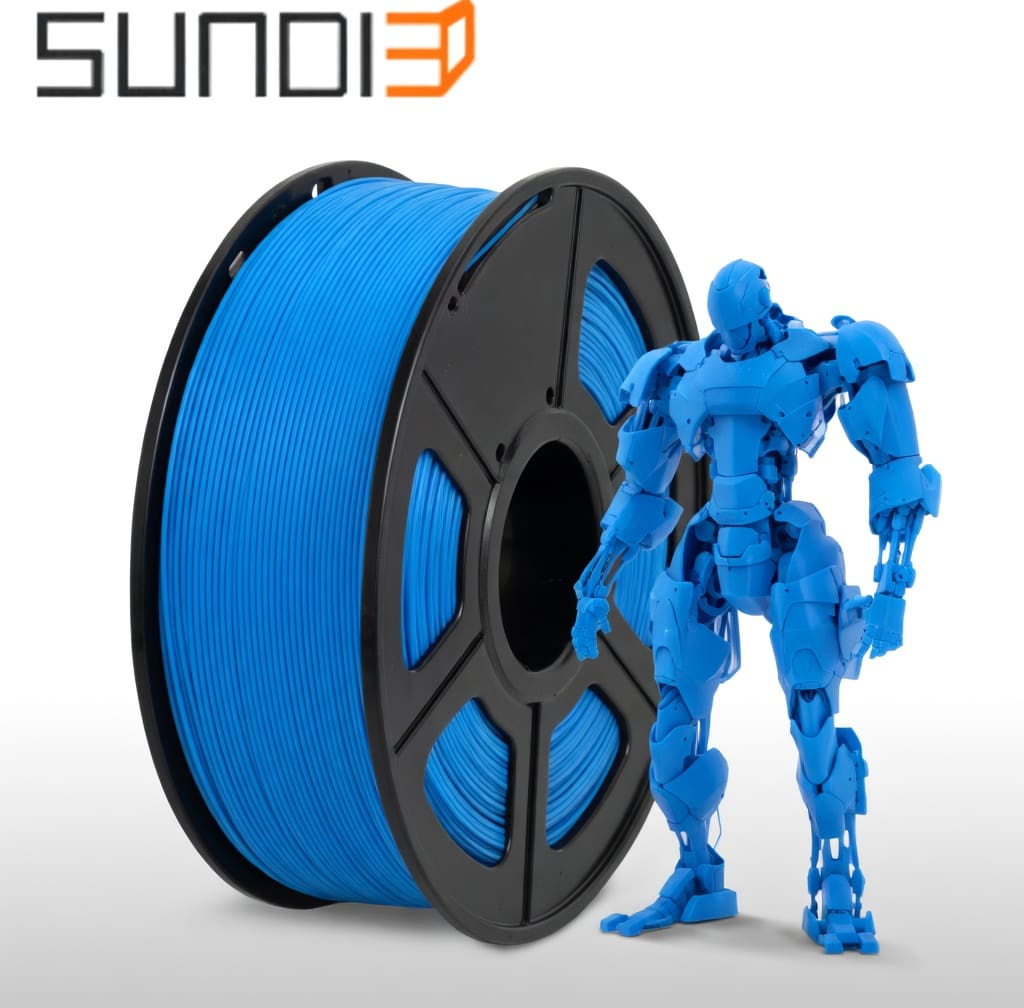
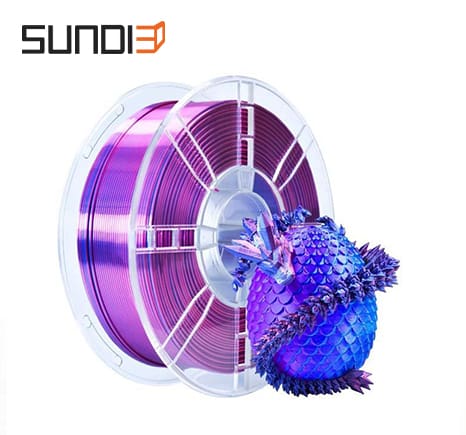


PLA is a plastic made from plants — usually corn or sugar cane. It is the plastic in most 3D printing filament, and it is a better choice than ordinary plastic. But “plant-based” does not mean it disappears: it needs an industrial facility to break down, so keep it out of your recycling bin and out of your garden, and reuse or recycle it instead.
1. What PLA is, in one minute
PLA stands for polylactic acid. It is made by fermenting plant sugars into lactic acid and then
joining those molecules into a plastic. Because it comes from plants rather than oil, it is often
called a bioplastic.
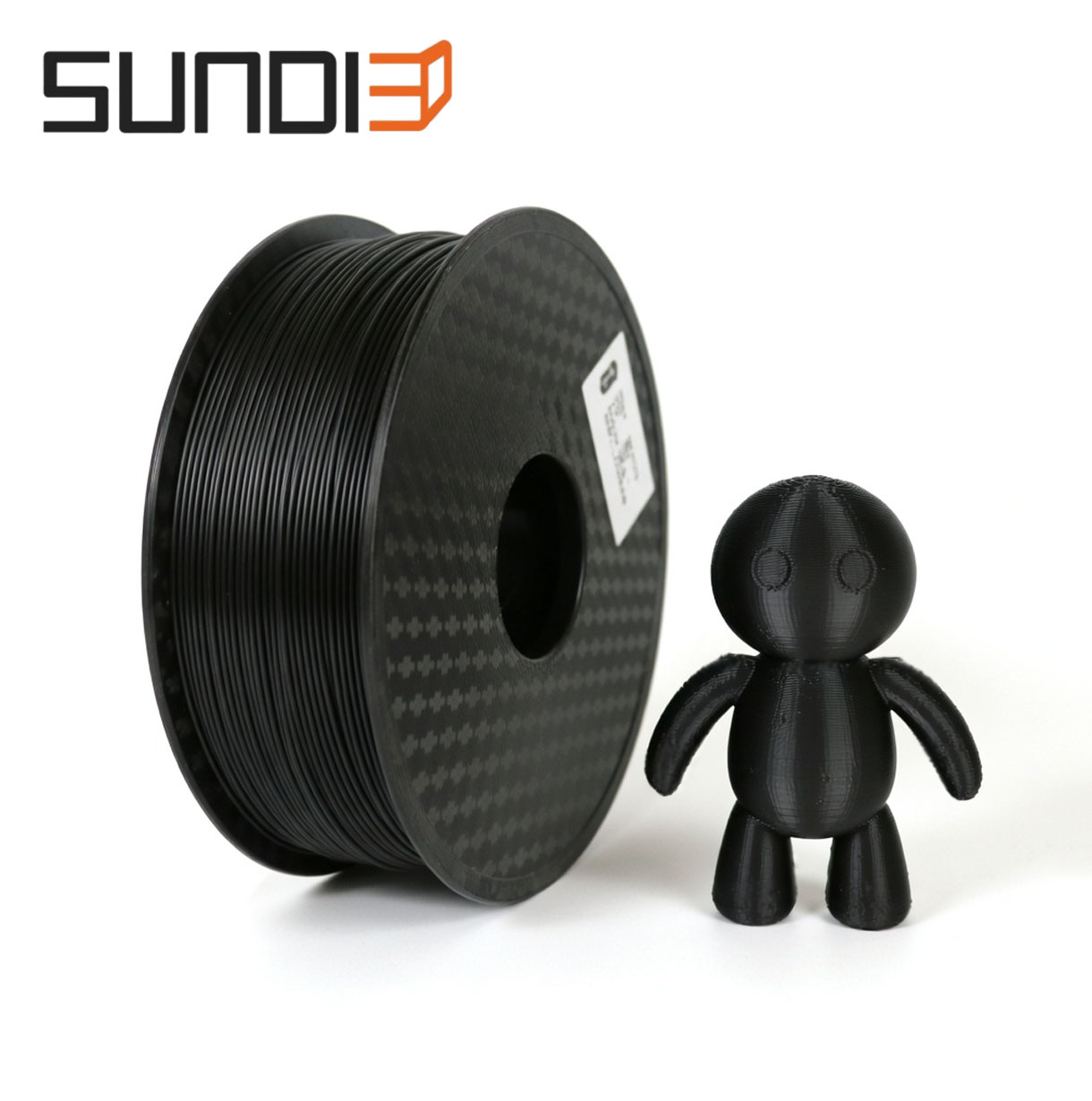
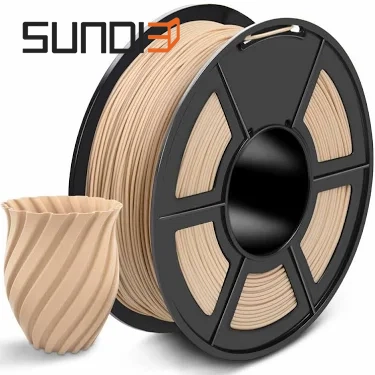
You meet it in two places. The first is 3D printing: PLA is the most common filament for home
3D printers and for 3D printing pens, because it prints at lower temperatures, barely warps,
and holds fine detail. The second is packaging: PLA shows up in some compostable cups, food
containers and films.
Two practical things are worth knowing as a user:
- It softens in heat. Around 60 °C / 140 °F, so a PLA print left in a hot car can droop or warp.
- It is the friendlier plastic — with conditions. PLA is recyclable and industrially
compostable, but only when it reaches the right facility.
2. The one thing people get wrong
“Biodegradable” on a PLA product does not mean it breaks down in your bin, your backyard
compost, or the ocean. It means it breaks down in an industrial composting plant, where
waste is held above about 58 °C / 136 °F with controlled moisture and microbes — conditions
a home compost heap does not reach.
Outside those conditions, PLA behaves a lot like ordinary plastic. In a scientific study, PLA was
left in seawater and freshwater for a full year and showed no meaningful breakdown at all.In
a landfill it can sit for decades. So the simple rule is: PLA needs help to disappear — your job
is to get it to the right place.
3. What to do with your leftover PLA
Leftover means the failed prints, the supports, the little cut-offs, the test cubes, and the empty
spools. In order of easiest and best:
1.Keep it out of the recycling bin. PLA looks like ordinary PET plastic but behavesdifferently, and it spoils the recycling batch. Most towns cannot sort it out, so it does not belong in the blue bin.
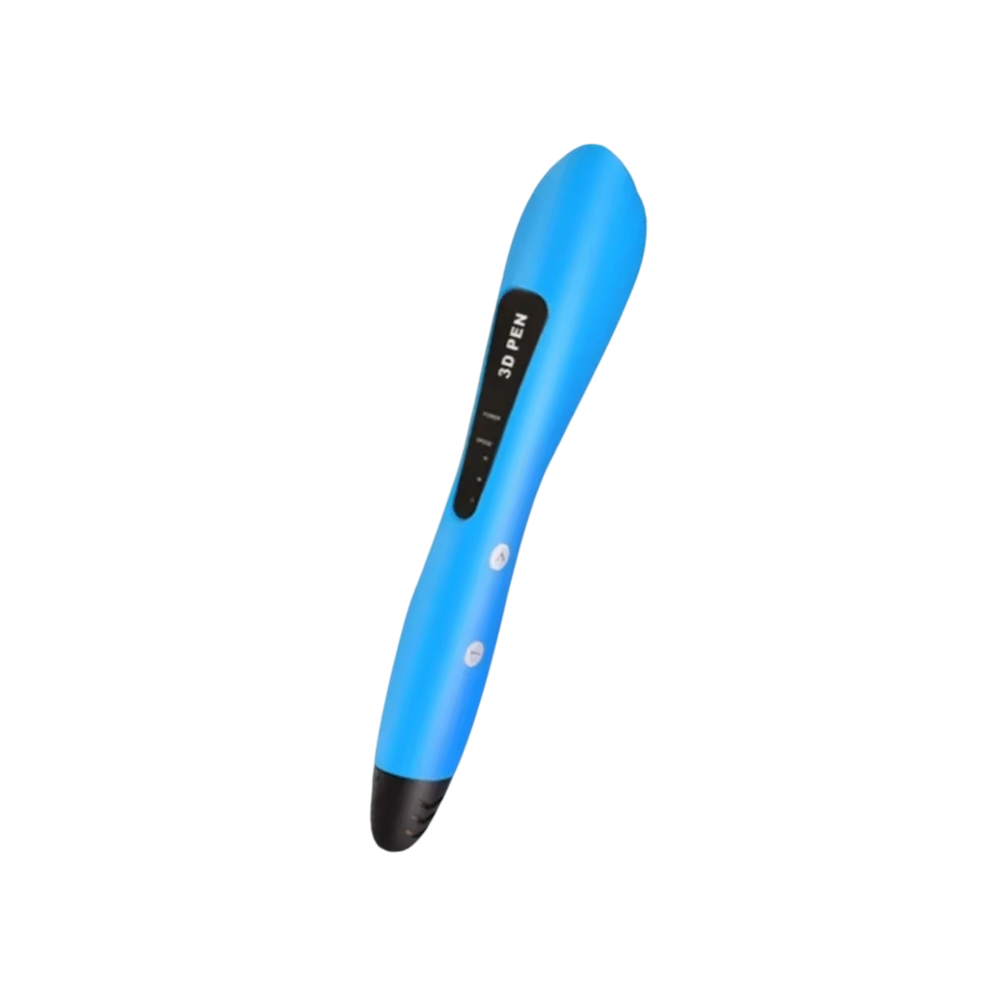
2.Reuse it first. Small pieces are great for repairs and joins if you have a 3D pen, and schools,
libraries and makerspaces are often happy to take a bag of practice material.
3.Chemical/Mechanical Recycling: Supports depolymerization and reduction to pure lactic acid monomers (achieving closed-loop recycling) or mechanical regrinding.
4.Incineration Treatment: The molecules contain only carbon, hydrogen, and oxygen elements, without chlorine or heavy metals. During incineration, it does not produce dioxins or hydrochloric acid gas, and is a relatively environmentally friendly ultimate treatment method.
4. Quick questions
Yes, but only in an industrial composting facility — where certified PLA breaks down in about 12 weeks. In soil, landfill or water it barely changes.No. It contaminates the plastic recycling stream, and most facilities cannot separate it. Use a mail-back or specialist program instead.Standard PLA is not. A few blends are certified for home composting, so check the label rather than assuming.Yes. It is made from renewable plants, it is recyclable and industrially compostable, and for home 3D printing and 3D pens it is the sensible default — as long as the leftovers go somewhere sensible too.
5. The bottom line
PLA is plant-based, easy to print with, and genuinely better than ordinary plastic — provided
you do not treat the bin as the end of the story. Reuse what you can, keep one mail-back
box for the rest, keep it out of the blue bin and the garden, and print a little less waste in
the first place. That is the whole routine, and it takes about ten seconds a week.
